

Introduction
Discover Radiant Beauty with Vitamin C for Dark Spots a transformative skin care product showcased in this captivating stock image. The sleek and elegant packaging houses a powerful formula of natural ingredients, promising a youthful, radiant complexion. Embodying self-care and indulgence, this image is perfect for promoting the beauty, efficacy, and sophistication of this remarkable skin care solution. Dark spots, medically known as hyperpigmentation, are a common skin concern that affects people across all ages and skin types. They are characterized by patches of skin that become darker than the surrounding areas due to excess melanin production. These spots can develop from various triggers including sun exposure, inflammation, hormonal changes, and skin injuries. Vitamin C has gained worldwide popularity as a go-to skincare ingredient for brightening skin and fading dark spots. Thanks to its antioxidant properties and ability to inhibit melanin production, vitamin C can reduce pigmentation and promote a more radiant and even skin tone. One of the most effective and scientifically backed ingredients to combat dark spots is Vitamin C. Known for its powerful antioxidant properties, vitamin C has become a staple in many skincare routines for brightening the skin and fading dark spots In this guide, we’ll explore everything you need to know about using vitamin C to tackle dark spots effectively, including the science behind it, types of vitamin C to look for, how to use it properly, and product recommendations — even options available in Nigeria.
Table of Contents
.
Understanding Dark Spots (Hyperpigmentation)
Hyperpigmentation occurs when melanocytes, the cells responsible for producing melanin (the pigment that gives skin its color), become overactive. This causes patches of skin to darken, resulting in the appearance of spots.Dark spots, hyperpigmentation, and uneven skin tone are among the most common skin concerns for people of all ages. Whether caused by sun exposure, acne scars, hormonal changes, or aging, these spots can make your complexion appear dull and tired. Fortunately, one skincare ingredient has consistently proven to be a game-changer in achieving brighter, more radiant skin Vitamin C (also known as ascorbic acid) is a powerful antioxidant that protects your skin from environmental damage caused by free radicals, UV rays, and pollution. It also plays a key role in collagen production, which helps maintain skin firmness and elasticity. When applied topically, Vitamin C can: Protect against premature aging Brighten dull skin Fade dark spots and hyperpigmentation Even out skin tone Reduce fine lines and wrinkles
Common Causes of Dark Spots
- Sun Exposure: Ultraviolet (UV) radiation stimulates melanin production as a protective response. Over time, this leads to sunspots or age spots.
- Post-Inflammatory Hyperpigmentation (PIH): Dark spots formed after skin injury, acne, or inflammation. PIH is especially common in darker skin tones.
- Hormonal Changes: Melasma, a type of hyperpigmentation, is caused by hormonal fluctuations, often during pregnancy or from contraceptives.
- Aging: With age, the skin’s natural repair mechanisms slow down, increasing pigment irregularities.
- Genetic Predisposition: Some individuals are more prone to hyperpigmentation due to their genetics.
Why It Matters
While dark spots are harmless medically, they can impact self-esteem and confidence. Treating them requires patience and a tailored skincare approach. (Vitamin C for Dark Spots)
How Vitamin C Works on Dark Spots: The Science Behind It
Vitamin C (ascorbic acid) is a powerful antioxidant and skin-brightening agent with multiple mechanisms that help fade dark spots:
Inhibition of Melanin Synthesis
Vitamin C inhibits tyrosinase, an enzyme necessary for melanin production. By blocking tyrosinase, vitamin C reduces the amount of pigment the skin produces, preventing the darkening of spots.
Antioxidant Protection
Vitamin C neutralizes free radicals generated by UV exposure and pollution. Free radicals damage skin cells and trigger excess melanin production; vitamin C protects the skin from this damage.
Boosting Collagen Production
Vitamin C stimulates the synthesis of collagen, a key protein for skin elasticity and repair. This promotes cell turnover and helps fade pigmented cells more quickly.
Anti-Inflammatory Effects
Vitamin C reduces skin inflammation, which can exacerbate pigmentation, particularly post-inflammatory hyperpigmentation.
Different Types of Vitamin C in Skincare & Which to Choose
Vitamin C comes in several forms in skincare formulations. The form impacts effectiveness, stability, and irritation potential.
| Vitamin C Form | Description | Stability | Best For | Notes |
| L-Ascorbic Acid | Pure vitamin C; most studied and effective | Least stable | Normal to oily skin | Works best at low pH; can be irritating |
| Magnesium Ascorbyl Phosphate (MAP) | Water-soluble derivative | More stable | Sensitive, dry skin | Gentler but less potent |
| Sodium Ascorbyl Phosphate (SAP) | Water-soluble derivative | Stable | Acne-prone skin | Mild brightening, anti-inflammatory |
| Ascorbyl Glucoside | Vitamin C bound to glucose | Stable | All skin types | Slow release, antioxidant |
| Tetrahexyldecyl Ascorbate (THD Ascorbate) | Oil-soluble | Very stable | Dry, mature skin | Deep skin penetration |
Choosing the right type:
- If you want fast results and can tolerate some sensitivity, pure L-ascorbic acid serums (10-20%) are best.
- If you have sensitive skin or prefer a gentler option, derivatives like MAP or SAP offer steady brightening without irritation.
Benefits of Using Vitamin C for Dark Spots
- Brightens and evens out skin tone by reducing melanin production.
- Protects against free radicals and environmental damage.
- Supports skin repair and rejuvenation through collagen synthesis.
- Reduces inflammation, minimizing post-inflammatory hyperpigmentation.
- Enhances effectiveness of sunscreens when used in the morning.
- Works well with other antioxidants like vitamin E and ferulic acid for boosted results.
How to Use Vitamin C for Maximum Brightening Effect
Step-by-Step Guide
- Cleanse your face with a gentle cleanser.
- Apply vitamin C serum on dry skin, usually 3-5 drops on your face and neck.
- Allow absorption for 1-2 minutes.
- Follow with a moisturizer to seal hydration.
- Finish with sunscreen SPF 30+ every morning — this is crucial to prevent new pigmentation.
Tips for Best Results
- Use vitamin C serum daily in the morning.
- Start slow if you have sensitive skin: begin every other day or 2-3 times a week.
- Store your vitamin C serum in a cool, dark place to prevent oxidation.
- Avoid combining vitamin C with benzoyl peroxide or retinol at the same time to reduce irritation.
- Be patient: visible improvements typically take 4-12 weeks.
Common Mistakes When Using Vitamin C for Dark Spots

- Skipping sunscreen: Sun exposure reverses vitamin C benefits and worsens dark spots.
- Using oxidized vitamin C: Discolored (yellow/brown) serums lose effectiveness and may irritate.
- Applying too many actives simultaneously: Combining harsh acids, retinol, and vitamin C without spacing can cause irritation and worsen pigmentation.
- Not patch testing: Vitamin C can cause irritation in some; patch testing prevents adverse reactions.
- Expecting overnight results: Dark spots take weeks or months to fade; consistency is key.
Vitamin C Products for Dark Spots
Global Favorites
| Product | Key Features | Why It’s Recommended |
| SkinCeuticals C E Ferulic | 15% L-ascorbic acid + vitamin E + ferulic acid | Gold standard, clinically proven brightening and antioxidant combo |
| La Roche-Posay Pure Vitamin C10 Serum | 10% L-ascorbic acid, suitable for sensitive skin | Gentle, effective, widely available |
| Mad Hippie Vitamin C Serum | Vitamin C + vitamin E + ferulic acid, clean beauty | Affordable, good for sensitive skin |
Products Available in Nigeria
| Product | Features | Where to Buy |
| Naturium Vitamin C Complex Serum | Mix of stabilized vitamin C derivatives + fruit extracts | Skin Pop Essentiel |
| Garden of Wisdom (GoW) Vitamin C 23% + Ferulic Acid | High-potency L-ascorbic acid formula | TOS Nigeria |
| Garnier SkinActive Vitamin C Brightening Serum | Vitamin C + niacinamide + salicylic acid | Local drugstores and supermarkets |
| Fair & White Exclusive Vitamin C Silky Gel | Lightweight gel texture for humid climates | Fair & White Nigeria |
Recommended Products
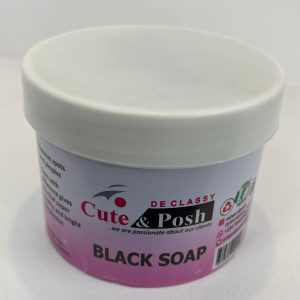
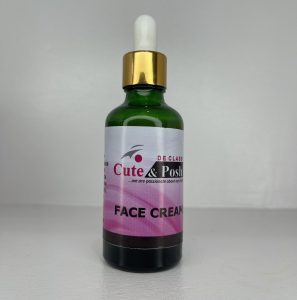
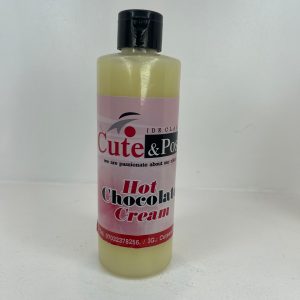
CUTE & POSH FACE CREAM (SERUM)

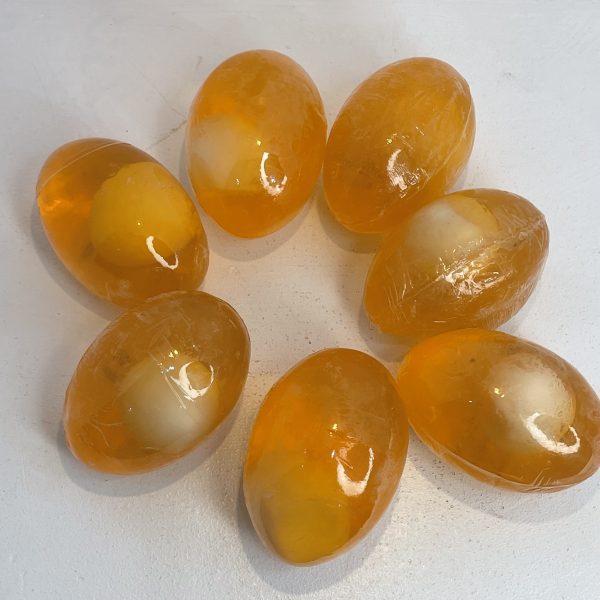
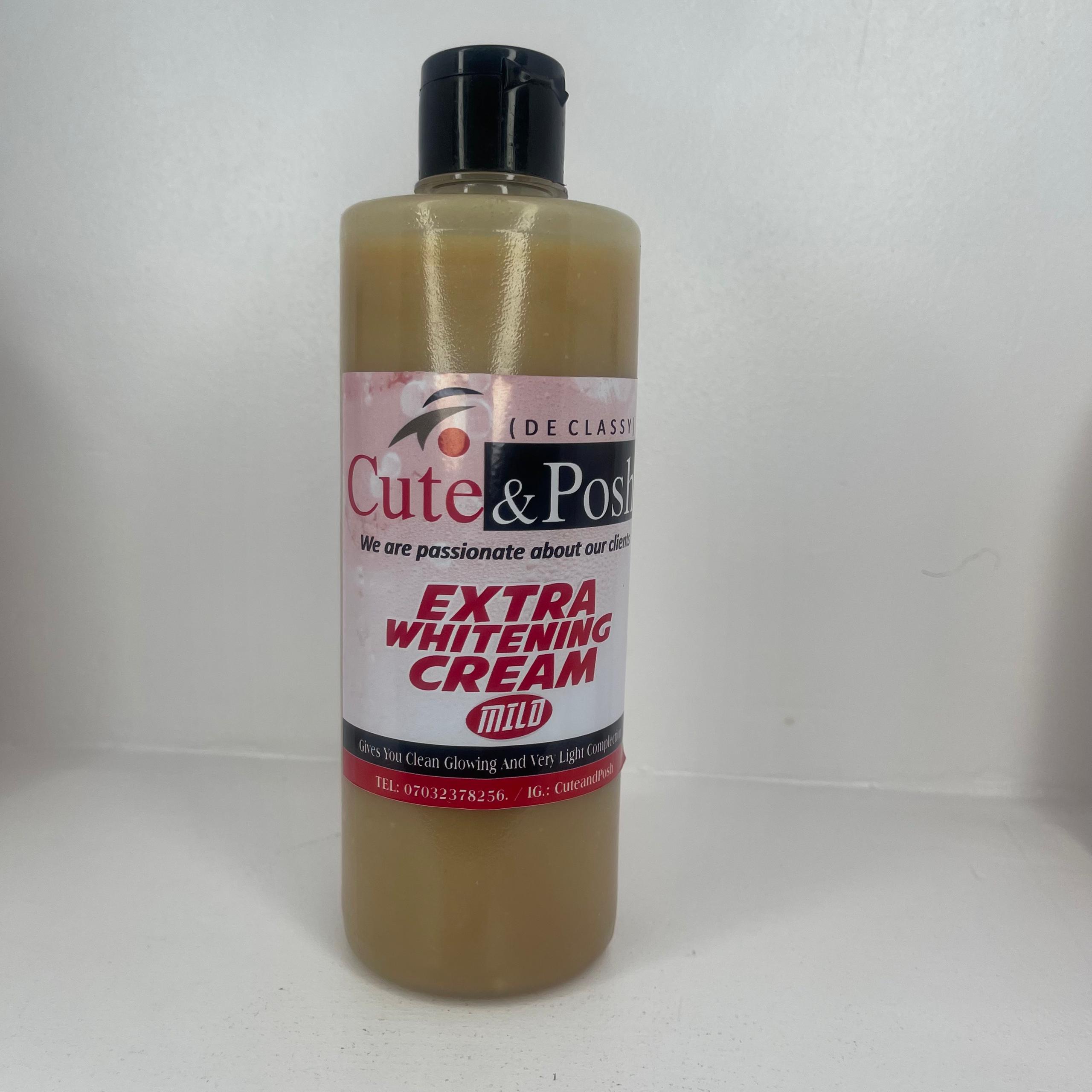
Final Thoughts and Tips for Glowing, Spot-Free Skin
Vitamin C is a powerhouse ingredient for tackling dark spots and achieving brighter, more even skin. With the right formulation, proper application, and consistent use, you can significantly reduce hyperpigmentation and protect your skin against future damage. Remember to always pair vitamin C with sunscreen to lock in the benefits and prevent new dark spots. Vitamin C is one of the most effective ingredients to treat dark spots and brighten your complexion naturally. When used consistently with proper sun protection, vitamin C can visibly fade pigmentation, improve skin texture, and protect against future damage. Remember to choose the right type of vitamin C for your skin, introduce it gradually, and avoid common mistakes like skipping sunscreen. Pair your vitamin C routine with hydrating, soothing ingredients for balanced skin health.
9. Frequently Asked Questions (FAQs)
Q1: How long does it take for vitamin C to fade dark spots?
Most people notice improvements within 4-12 weeks, depending on the severity of spots and skin type.
Q2: Can I use vitamin C with other skincare ingredients?
Yes, it pairs well with niacinamide, hyaluronic acid, and ferulic acid. Avoid simultaneous use with benzoyl peroxide and retinol to prevent irritation.
Q3: Is vitamin C safe for sensitive skin?
Yes, but start with lower concentrations or derivatives like magnesium ascorbyl phosphate for gentler effects.
Q4: Can vitamin C cause dark spots to worsen?
No, vitamin C itself doesn’t cause dark spots. However, lack of sun protection or skin irritation can worsen pigmentation.
Q5: How should I store vitamin C products?
Keep vitamin C serums in a cool, dark place and use within 3-6 months after opening to avoid oxidation.