

Introduction
Dark spots, also known as hyperpigmentation, are a common skincare concern affecting millions worldwide. Whether caused by sun damage, acne scars, hormonal changes, or aging, these stubborn spots can make the skin tone appear uneven and dull. If you’re looking for an effective treatment, chemical peels are often considered one of the best professional and at-home solutions.
In this ultimate guide, you will learn everything about chemical peel for dark spots — how it works, the best types, safety tips, how to avoid side effects, recommended products, and answers to your most common questions. Let’s dive in!
Table of Contents
What Are Dark Spots? Understanding Hyperpigmentation
Dark spots, medically called hyperpigmentation, occur when excess melanin—the pigment that gives skin its color—is produced and accumulates in certain areas of the skin. Common causes include:
- Sun exposure: UV rays trigger melanin production as a defense mechanism, causing sunspots or age spots.
- Acne scarring: Post-inflammatory hyperpigmentation (PIH) results from inflammation after acne heals.
- Hormonal changes: Melasma is often linked to pregnancy or birth control pills.
- Skin injuries: Cuts, burns, or rashes can leave dark marks.
- Aging: Natural aging slows skin renewal, making spots more prominent.
Dark spots vary in color from light brown to deep black, and they can affect all skin types, but are especially prominent in medium to darker skin tones.
What Is a Chemical Peel?
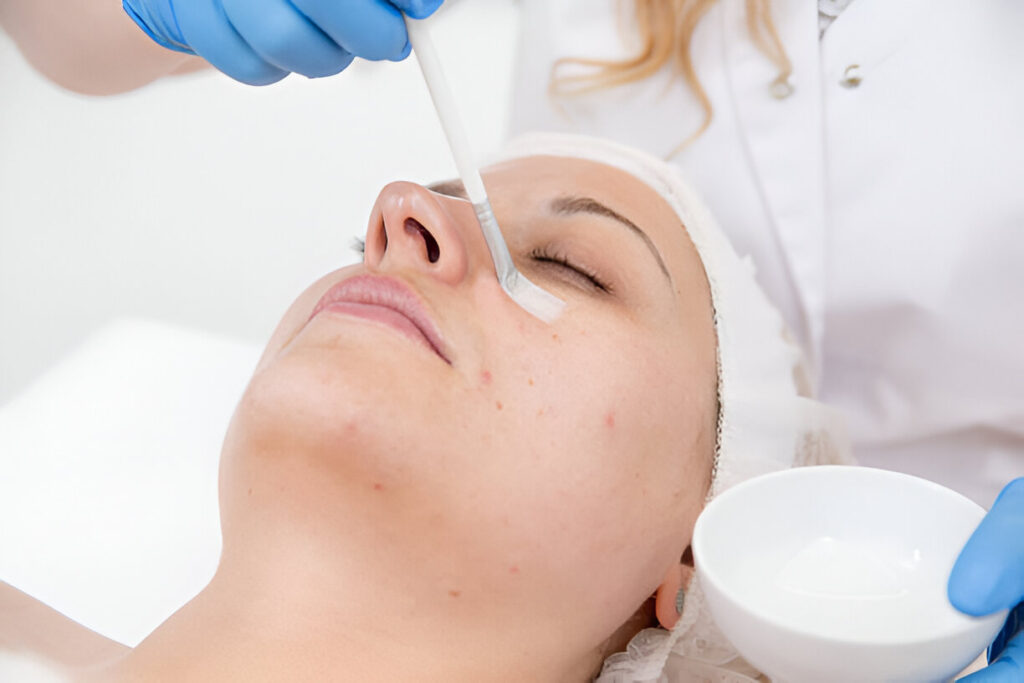
A chemical peel is a cosmetic treatment that applies an acid-based solution to the skin to exfoliate the outer layers. This controlled “peeling” helps remove dead, damaged skin cells and stimulates the growth of new, healthier skin cells.
Because chemical peels accelerate skin cell turnover and reduce melanin concentration in affected areas, they are highly effective for fading dark spots and improving overall skin tone.
How Does Chemical Peel Work for Dark Spots?
Chemical peels work by breaking down the bonds between dead skin cells on the surface, causing the outer damaged layers to shed. This reveals fresher, more evenly pigmented skin underneath. Additionally, peels can:
- Reduce melanin production by targeting pigment-producing cells (melanocytes).
- Stimulate collagen production, which supports skin structure and smoothness.
- Improve absorption of other skincare products to boost results.
The strength and depth of the peel determine how effectively it targets hyperpigmentation. Superficial peels remove the uppermost layer; medium peels penetrate deeper for more pronounced effects.
Types of Chemical Peels for Dark Spots
Chemical peels come in various strengths and types depending on the acid used and the depth of skin they affect.
1. Superficial Peels (Light Peels)
- Penetration: Epidermis (outer skin layer)
- Common acids: Glycolic acid, lactic acid, salicylic acid, mandelic acid
- Benefits: Mild exfoliation, minimal downtime, safe for all skin types including sensitive skin.
- Best for: Mild hyperpigmentation, sunspots, uneven skin tone, fine lines.
2. Medium Peels
- Penetration: Epidermis and upper dermis
- Common acids: Trichloroacetic acid (TCA) in moderate concentrations, Jessner’s solution
- Benefits: Deeper exfoliation, more effective for stubborn dark spots and melasma.
- Downtime: 5-7 days of peeling and redness.
- Best for: Moderate to severe pigmentation and sun damage.
3. Deep Peels
- Penetration: Full epidermis and dermis
- Common acids: High concentration TCA, phenol peels
- Benefits: Dramatic results for severe hyperpigmentation and wrinkles.
- Downtime: 2 weeks or more.
- Note: Requires medical supervision due to risk of side effects.
Best Chemical Peels for Dark Spots by Skin Type
Choosing the right chemical peel for your skin tone is crucial to avoid side effects like irritation or worsening pigmentation.
| Skin Type/Concern | Recommended Chemical Peel Types |
| Light skin (Fitzpatrick I-III) | Glycolic acid, Lactic acid, Salicylic acid |
| Medium skin (Fitzpatrick IV) | Mandelic acid, Low-strength TCA, Lactic acid |
| Dark skin (Fitzpatrick V-VI) | Mandelic acid, Lactic acid (gentler acids) |
Important: Darker skin tones are more prone to post-inflammatory hyperpigmentation (PIH) after aggressive peels. Always consult a professional dermatologist before medium or deep peels.
Step-by-Step: What to Expect During a Chemical Peel
- Consultation: A skin assessment to determine the right peel type.
- Preparation: Skin may be pre-treated with gentle cleansers or topical products.
- Application: The peel solution is applied evenly and left on for a few minutes.
- Neutralization: Some peels require neutralizing agents; others naturally stop working.
- Post-peel care: Skin will peel over the next 3-7 days, revealing fresh skin underneath.
Chemical Peel Aftercare Tips to Maximize Results and Minimize Risks
- Avoid direct sun exposure; wear broad-spectrum SPF 30+ daily.
- Use gentle, hydrating skincare products.
- Avoid retinoids, scrubs, or exfoliants until skin heals.
- Do not pick or peel flaking skin manually.
- Keep skin moisturized to aid healing.
Personalized Skincare Plan to Maximize Chemical Peel Results for Dark Spots
Morning Routine
Gentle Cleanser
Use a mild, non-stripping cleanser to keep skin clean without irritation.
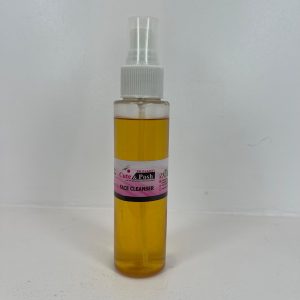
Example: Cute & Posh Facial Cleanser .
Antioxidant Serum (Vitamin C)
Vitamin C brightens skin, protects against free radical damage, and supports fading dark spots.
Example: Cute & Posh Face Cream (Serum) .
Hydrating Moisturizer
Choose a lightweight moisturizer with soothing ingredients like ceramides or hyaluronic acid.
Example: Neutrogena Hydro Boost or Vanicream Moisturizing Cream.
Broad-Spectrum Sunscreen SPF 30+ (Non-Nano Zinc Oxide or Titanium Dioxide)
Sunscreen is essential to prevent new dark spots and protect healing skin post-peel.
Example: EltaMD UV Clear or La Roche-Posay Anthelios Mineral Sunscreen.
Evening Routine
- Gentle Cleanser
Repeat morning cleanser to remove impurities. - Targeted Treatment (2-3 times per week depending on skin tolerance)
- Use a gentle exfoliating acid serum (such as mandelic or lactic acid) on non-peel days to maintain cell turnover.
- Avoid retinoids immediately after peels, but can be introduced gradually as skin recovers.
- Moisturizer
Use a richer moisturizer to help skin repair overnight.
Example: CeraVe PM Facial Moisturizing Lotion or First Aid Beauty Ultra Repair Cream.
Weekly
- At-home gentle peel or mask (optional)
Use a mild peel product once a week between professional peels to maintain brightness.
Example: The Ordinary Lactic Acid 5% or Glow Recipe Watermelon Glow Pink Juice Exfoliating Mask.
Additional Tips
- Avoid harsh scrubs or physical exfoliants that can irritate skin.
- Do not pick or peel skin after chemical peels to prevent scarring or pigmentation.
- Maintain hydration to support healing.
Professional Treatments That Complement Chemical Peel for Dark Spots
1. Microneedling (Collagen Induction Therapy)
How It Works:
A device with tiny needles creates micro-injuries in the skin, triggering the body’s natural healing process and promoting collagen production.
Benefits for Dark Spots:
- Reduces post-inflammatory hyperpigmentation (PIH)
- Improves skin texture and tone
- Enhances absorption of topical brightening agents like Vitamin C or tranexamic acid
Frequency:
Every 4–6 weeks
Can be combined with PRP (“vampire facial”) for enhanced results.
Caution:
Avoid immediately before or after a chemical peel. Wait 1–2 weeks between treatments unless your dermatologist advises otherwise.
2. Laser Treatments (e.g., PicoSure, Fraxel, Q-Switch)
How It Works:
Lasers break up pigmentation in the skin using focused light energy without harming surrounding tissues.
Benefits:
- Effective for melasma, sunspots, and stubborn pigmentation
- Non-invasive with minimal downtime (depending on type)
Frequency:
3–6 sessions spaced 3–4 weeks apart
Suitable For:
Best for fair to medium skin tones. Caution is needed for darker skin tones due to risk of rebound pigmentation. Choose lasers safe for Fitzpatrick types IV–VI (like PicoSure or Clear + Brilliant).
3. Intense Pulsed Light (IPL) Therapy
How It Works:
Broad-spectrum light targets melanin and blood vessels, breaking down pigmentation over time.
Benefits:
- Great for sun damage, age spots, and freckles
- Evens out skin tone and redness
Frequency:
3–5 sessions spaced 1 month apart
Note:
Not recommended for deep melasma or very dark skin tones due to risk of hyperpigmentation.
4. Hydrafacial with Brightening Boosters
How It Works:
A multi-step facial that deeply cleanses, exfoliates, and infuses skin with serums tailored to your concerns.
Benefits:
- Immediate glow with zero downtime
- Customizable with boosters like Vitamin C, kojic acid, or Alpha Arbutin for pigmentation
Frequency:
Once a month; a great low-risk option between peels
5. Tranexamic Acid Infusions (Topical or Oral)
How It Works:
Tranexamic acid reduces melanin production and inflammation, often used to treat melasma.
Benefits:
- Reduces hormonally triggered pigmentation
- Often used alongside peels or laser treatments
Available Forms:
- Prescription oral tablets
- Topical serums
- In-clinic mesotherapy or microinjection
6. LED Light Therapy (Blue & Red Light)
How It Works:
Uses specific wavelengths of light to promote healing and reduce inflammation.
Benefits:
- Supports skin recovery after peels
- Reduces acne-induced dark spots
- Safe for all skin tones
Frequency:
Weekly sessions or post-treatment add-ons
Suggested Treatment Combo Plan
| Week | Treatment | Notes |
| 1 | Chemical Peel (Superficial or Medium) | Begin light exfoliation |
| 2 | LED Light Therapy + Vitamin C Serum | Calm and support healing |
| 3 | Hydrafacial with Brightening Booster | Deep hydration and pigment control |
| 4 | Microneedling or Laser Session | Optional, based on skin type |
| 5 | Repeat Peel or Maintenance Facial | Maintain results |
- Consult a dermatologist if you experience unusual irritation, redness, or persistent pigmentation.
Chemical Peel Products for Dark Spots (At-Home and Professional)
At-Home Chemical Peels
- The Ordinary AHA 30% + BHA 2% Peeling Solution
Combines glycolic, lactic, salicylic acids for effective exfoliation. Suitable for light to medium skin tones. - Sunday Riley Good Genes All-In-One Lactic Acid Treatment
Gentle lactic acid peel, great for sensitive skin and mild hyperpigmentation. - Mandelic Acid 10% Serum by The Inkey List
Gentle acid especially suitable for darker skin tones and acne-prone skin. - Paula’s Choice 25% AHA + 2% BHA Exfoliant Peel
Potent exfoliant to fade pigmentation and brighten skin.
Professional (In-Clinic) Peels
- Jessner’s Peel (Combination of lactic acid, salicylic acid, and resorcinol)
Great for moderate hyperpigmentation and acne scars. - TCA Peel (10-30%)
Stronger peel for stubborn dark spots and melasma, performed by dermatologists. - VI Peel
Popular medium-depth peel that combines TCA, salicylic acid, retinoic acid, and vitamin C.
How Often Should You Do Chemical Peels for Dark Spots?
- Superficial peels: Every 1–2 weeks.
- Medium peels: Every 4–6 weeks.
- Deep peels: Once or twice a year at most.
Consistency is key. Multiple sessions may be necessary to achieve desired results
Benefits of Chemical Peel for Dark Spots
- Reduces the appearance of dark spots, sunspots, and melasma.
- Improves overall skin texture and tone.
- Stimulates collagen production for firmer skin.
- Can reduce acne scars and fine lines.
- Enhances skin radiance and brightness.
Risks and Precautions
- Temporary redness, dryness, and peeling are common.
- Overly aggressive peels or improper use can cause burns or scarring.
- People with sensitive skin or certain conditions (eczema, psoriasis) should avoid some peels.
- Sunscreen use is mandatory to prevent recurrence of pigmentation.
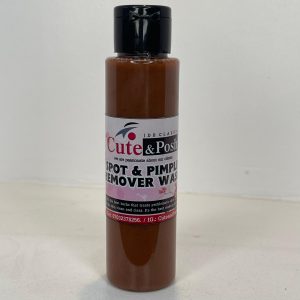
Recommended Products

Final Thoughts
Chemical peel for dark spots is a proven and versatile solution to achieving a clearer, more radiant complexion. By selecting the right type for your skin, following safety guidelines, and maintaining a consistent routine, you can effectively reduce hyperpigmentation.
Always consult a skincare professional, especially if you have darker skin tones or sensitive skin, to minimize risks and maximize benefits
Frequently Asked Questions (FAQs)
1. Can chemical peels permanently remove dark spots?
Chemical peels can significantly fade dark spots, but no treatment can guarantee permanent removal. Ongoing sun protection and skincare are essential to maintain results.
2. Are chemical peels safe for darker skin tones?
Yes, but with caution. Gentle peels like mandelic or lactic acid are recommended. Medium and deep peels should only be done by experienced dermatologists.
3. How soon will I see results after a chemical peel?
Mild improvement can be seen within a week, but full results often take several treatments over a few months.
4. Can I do a chemical peel at home?
Yes, there are safe at-home peel products, but avoid overusing them. For stronger peels, professional treatment is safer.
5. What should I avoid after a chemical peel?
Avoid sun exposure, harsh skincare products, exfoliation, and picking at peeling skin.