Introduction
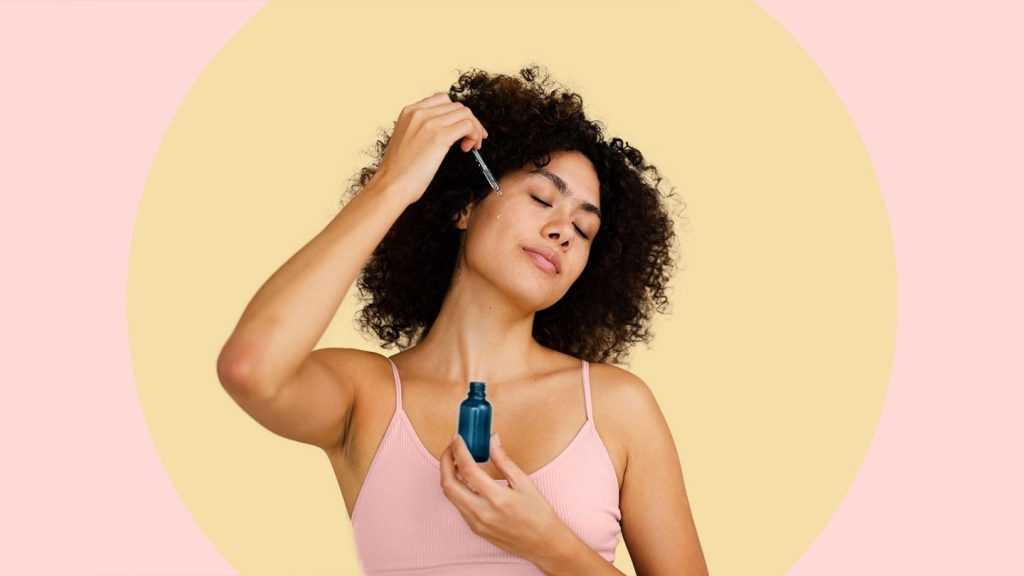
In the crowded world of skincare, hyaluronic acid is one of the most talked‑about ingredients—and for good reason. When it comes to skin moisturizers, hyaluronic acid has taken center stage, thanks to its remarkable water‑binding abilities and compatibility with various skin types. But how exactly does it function in moisturizers? What should consumers look for? Are there drawbacks? Which formulations are best for different skin types and climates? This article explores all of that in depth, and at the end, offers a curated selection of recommended products.
Table of Contents
What Is Hyaluronic Acid?
Chemical Nature and Biological Role
Hyaluronic acid (also called hyaluronan or HA) is a naturally occurring glycosaminoglycan: a long chain polymer composed of repeating disaccharide units (typically D-glucuronic acid and N-acetyl-D-glucosamine). It is abundant in the skin, connective tissues, synovial fluid, and the vitreous humor of the eye.
One of its defining characteristics is its ability to hold large amounts of water. Studies show that one gram of hyaluronic acid can bind up to 6 liters of water under ideal conditions. This water retention capacity is central to its role in skin hydration and turgor (firmness).
In the skin, HA is part of the extracellular matrix (ECM) and contributes to structure, hydration, and viscoelasticity. As we age, our natural levels of HA decline, contributing to dryness, sagging, and the appearance of fine lines and wrinkles.
Humectant vs. Moisturizer: Clarifying the Distinction
- Humectants are ingredients that attract and retain water from the environment (or from deeper layers of skin). Hyaluronic acid acts primarily as a humectant when applied topically.
- Moisturizers is a broader term: a moisturizer might contain humectants (like HA, glycerin), emollients (lipids, esters), and occlusives (ingredients that slow water loss, e.g. silicones, petrolatum, oils) to seal moisture in.
Thus, hyaluronic acid alone doesn’t fully “moisturize” in the sense of preventing water loss; it needs to be part of a well-formulated product that includes barrier-supporting and occlusive ingredients.
How Hyaluronic Acid Works in Skin Moisturizers
To understand its role, let’s break down the mechanisms:
Moisture Attraction (Humectant Action)
When applied topically, hyaluronic acid draws water:
- From the immediate environment (humidity in the air), if present
- From the deeper layers of the epidermis or dermis, if necessary
This water-binding causes the local region to swell slightly (a gentle “plumping” effect), which helps reduce the appearance of fine lines and gives the skin a more hydrated, dewy look.
In a clinical study, a topical HA serum increased skin hydration (measured by corneometry) by 134% immediately after application, and sustained a 55% increase after 6 weeks of use. The study also found improvements in smoothness, plumping, and fine lines, with excellent tolerability.
Multiplicity of Molecular Weights (Size Matters)
One of the nuances in HA formulations is molecular weight (MW). HA molecules can be engineered or fractionated into different sizes (high, intermediate, low molecular weight). Each has different properties:
- High molecular weight HA: Larger molecules stay more on the skin’s surface. They form a moisture-retaining film, help reduce transepidermal water loss (TEWL), and provide barrier support.
- Low molecular weight HA: Smaller fragments can penetrate more deeply (into the upper epidermis) and hydrate internal layers more effectively.
- Very low molecular weight (oligo-HA): Some formulas include very small fragments to reach lower epidermal layers; however, very low MW HA may sometimes have more biologic reactivity (e.g. signaling) and potential for irritation if not well formulated.
A well-formulated skin moisturizer with hyaluronic acid often includes a blend of multiple molecular weights to provide both surface and deeper hydration.
Preventing Water Loss (Indirect Barrier Support)
While HA is not an occlusive agent itself, by hydrating the skin and supporting the extracellular matrix, it helps maintain a healthier barrier. When combined with lipids, ceramides, emollients, and occlusives in a moisturizer, HA’s hydration effect is “locked in,” leading to longer-term moisturization and reduced dryness.
Plumping and “Instant Glow” Effects
Because HA draws water and causes slight swelling, the skin appears firmer, smoother, and more luminous shortly after application. This temporary plumping can help reduce the visible depth of fine lines.
Benefits of Hyaluronic Acid in Skin Moisturizers

Here is a detailed list of the most significant benefits when hyaluronic acid is used in skin moisturizers:
Deep and Immediate Hydration
As mentioned, HA can dramatically increase skin hydration—even after a single application. This is perhaps its most coveted benefit. (The clinical study above documented a 134% immediate increase)
Long-term Moisture Retention
With sustained use, HA helps maintain elevated hydration levels, making the skin more resilient over time. It supports barrier repair, reduces flakiness, and reduces tightness.
Improved Skin Elasticity and Firmness
Hydrated skin is more elastic. By plumping the dermal layers, HA helps the skin bounce back better from deformation (e.g. facial expressions), giving a more youthful appearance.
Mitigation of Fine Lines and Wrinkles
Over time, the continuous hydration and slight volumizing effect of HA can reduce the visual depth of fine lines. The clinical study reported a reduction of fine line parameters by ~31% at week 6.
Universal Tolerance
Because HA is already present in our bodies, most people tolerate it well—even sensitive skin tends to do okay with it, provided the full formula is gentle (i.e. fragrance-free, non-irritating excipients).
Boosting the Efficacy of Other Actives
Well-hydrated skin is more permeable (in a controlled way) and more receptive to actives like vitamin C, retinoids, peptides, etc. When used in the right sequence, HA-containing moisturizers can complement other skincare steps.
Potential Drawbacks, Misconceptions, and Trade-offs
While generally beneficial, HA in moisturizers is not without its limitations and misconceptions. Being aware of them helps you choose wisely and use properly.
“Drying Out” in Low-Humidity Environments
In very low humidity or dry indoor air, hyaluronic acid may draw moisture from deeper skin layers if there isn’t enough ambient moisture to bind. This can paradoxically make skin feel drier.
To mitigate this:
- Apply HA to damp skin (spritz or toner)
- Immediately follow with an occlusive or moisturizer layer to prevent loss
- Use in environments where humidity is moderate, or combine with barrier-supporting ingredients
Not a “Sealant” by Itself
As discussed, HA is a humectant—not a barrier ingredient. Using HA alone (without lipids, occlusives) might hydrate temporarily but not prevent water loss.
Concentration Isn’t Everything
Some users believe that higher percentage of HA is better. But too high a concentration can cause tackiness, stringiness, or formulation issues, especially if molecular weight distribution is not balanced. Research on the rheology of HA emulsions shows that high molecular weight HA and stretching speeds significantly influence viscoelastic stringiness in formulations.
Possibility of Irritation (Rare)
Although rare, poorly formulated HA (e.g. with impurities or extremes of pH, or overly small fragments) might irritate sensitive skin. Always do a patch test if prone to sensitivity.
Overuse or Redundancy
Using multiple HA-heavy products in one routine may not provide incremental benefit. Sometimes layering many hydrating formulas with HA yields diminishing returns—or redundancy.
Some users on forums ask:
“If my moisturizer has hyaluronic acid, is me also using a HA serum redundant?”
Many respond that layering is unnecessary, and over‑hydration ingredients may not further improve results.
Formulation Considerations: What to Look for in a Good HA Moisturizer
If you’re shopping for a moisturizer and want the benefits of hyaluronic acid, skin moisturizers, here are key features to examine:
Multiple Molecular Weights
As noted earlier, a mix of low, medium, and high molecular weight HA offers hydration at multiple skin depths:
- High MW → surface hydration, barrier protection
- Low MW → deeper epidermal hydration
If a moisturizer states “multi‑molecular hyaluronic acid complex,” “hydrolyzed HA,” or “varied chain-length hyaluronates,” it likely employs this approach.
Complementary Ingredients
A powerful HA moisturizer is rarely “just HA.” Look for:
- Barrier lipids & ceramides (to reinforce skin barrier)
- Emollients (e.g., squalane, fatty acids)
- Occlusives (e.g., dimethicone, silicones)
- Humectants besides HA (e.g., glycerin, sodium PCA)
- Soothing/anti-inflammatory agents (e.g., panthenol, niacinamide, aloe)
- Peptides, antioxidants (for added anti-aging effect)
- Avoid: heavy fragrances, alcohol denaturates (especially if you have sensitive skin)
pH & Stability
A skin-friendly pH (roughly 4.5 to 6) is ideal. Extremely alkaline or acidic products can destabilize HA or irritate skin. Also ensure the product is well preserved and packaged to avoid degradation (HA can degrade if exposed to UV, heat, or certain enzymes).
Texture & Feel
Some HA creams are gel-like; others are creamy. The viscosity, feel, and absorption speed depend on the molecular weight distribution and other excipients. Lighter textures are often preferred in humid or oily climates; richer creams may be better for dry climates or dry skin types.
Packaging
Opaque, airless pumps or tubes are preferable to jars. Hyaluronic acid can degrade with exposure to light or air.
How to Use Hyaluronic Acid Moisturizers in a Skincare Routine
To maximize the effectiveness of your hyaluronic acid skin moisturizers, follow these application strategies:
Apply on Damp Skin
Mist or lightly dampen skin before applying your HA moisturizer. This gives HA something to “grab onto.” If skin is completely dry, HA might pull water from the deeper layers instead.
Layering Order
A typical skincare layering might be:
- Cleanser
- Toner or hydrating mist
- Serum(s) (if any)
- Hyaluronic acid moisturizer
- Additional creams / barrier / occlusives (if necessary)
- Sunscreen (AM)
If you use a separate HA serum and an HA-infused moisturizer, you can layer—but ensure you don’t overdo hydration ingredients (as noted, redundancy yields minimal extra benefit).
Frequency
Usually, twice daily application (morning and evening) is fine. Adjust based on how your skin feels (e.g., more in dry seasons, less in humid ones).
Combining with Actives (Vitamin C, Retinoids, Acids)
Hyaluronic acid is generally compatible with most actives. However:
- Always use HA after any water-based serums (vitamin C, acids).
- When using retinoids or acids, ensure your HA moisturizer is gentle and supportive; use barrier-repair lipids alongside.
- Avoid layering harsh actives without proper hydration; HA can help buffer but not fully substitute barrier support.
Precautions in Special Conditions
- With rosacea, eczema, or broken skin: Use gentle formulations and patch test.
- In very dry climates: Be cautious about leaving HA exposed without a sealing layer.
- In very humid climates: Lighter HA gels might work well, avoiding heavy occlusives.
- With compromised skin barriers: Use HA + barrier-repair formulations (with ceramides, niacinamide, etc.)
Evidence & Clinical Studies Supporting HA in Moisturizers
It’s always good to anchor claims in scientific evidence. A few notable findings:
- The 2021 study (cited earlier) showed sustained hydration, plumping, and fine line reduction, with no significant irritation from a HA serum.
- Clinical literature consistently supports HA’s humectant properties and its natural presence in healthy skin.
- Many dermatologists advocate HA as a first-line hydrating ingredient due to its safety, effectiveness, and compatibility.
That said, moisturization is not just hydration—it requires barrier support and prevention of water loss. Thus, HA works best in concert with other ingredients.
Recommended Products
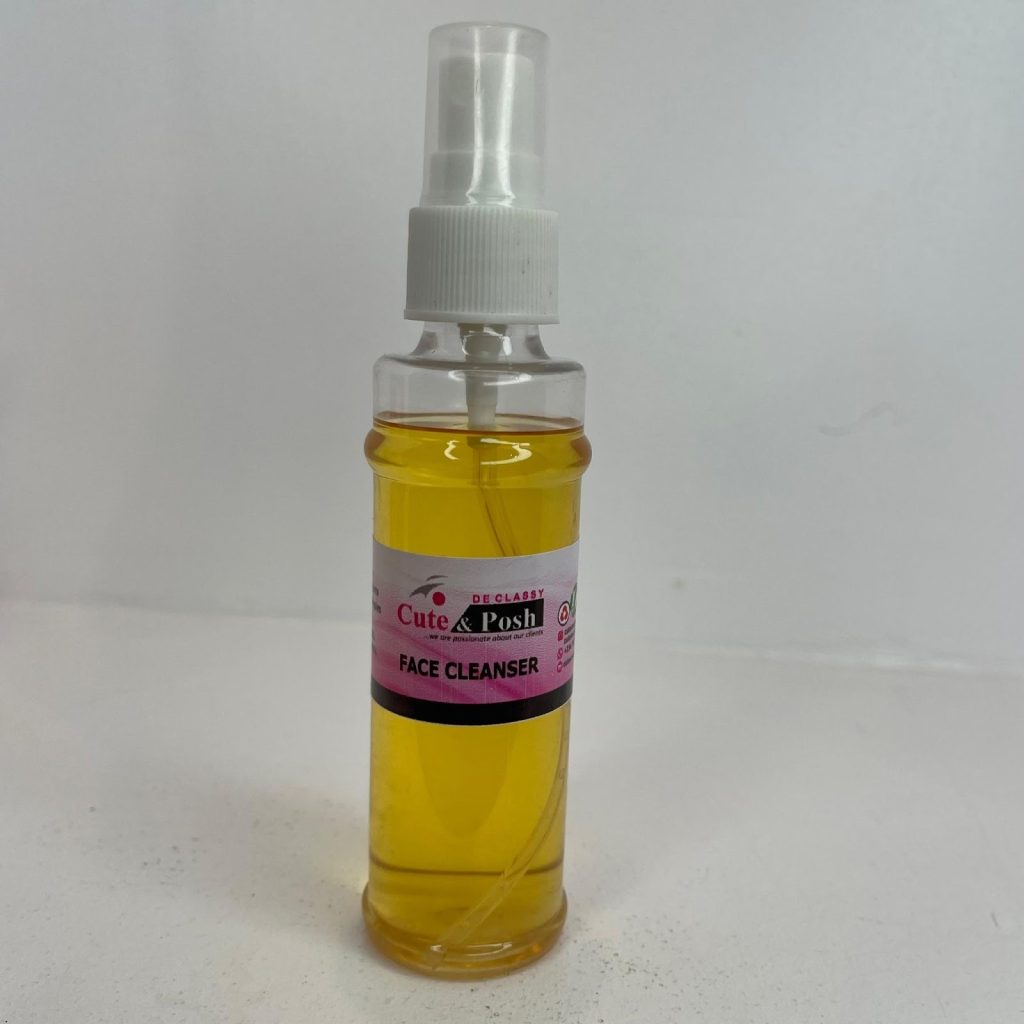
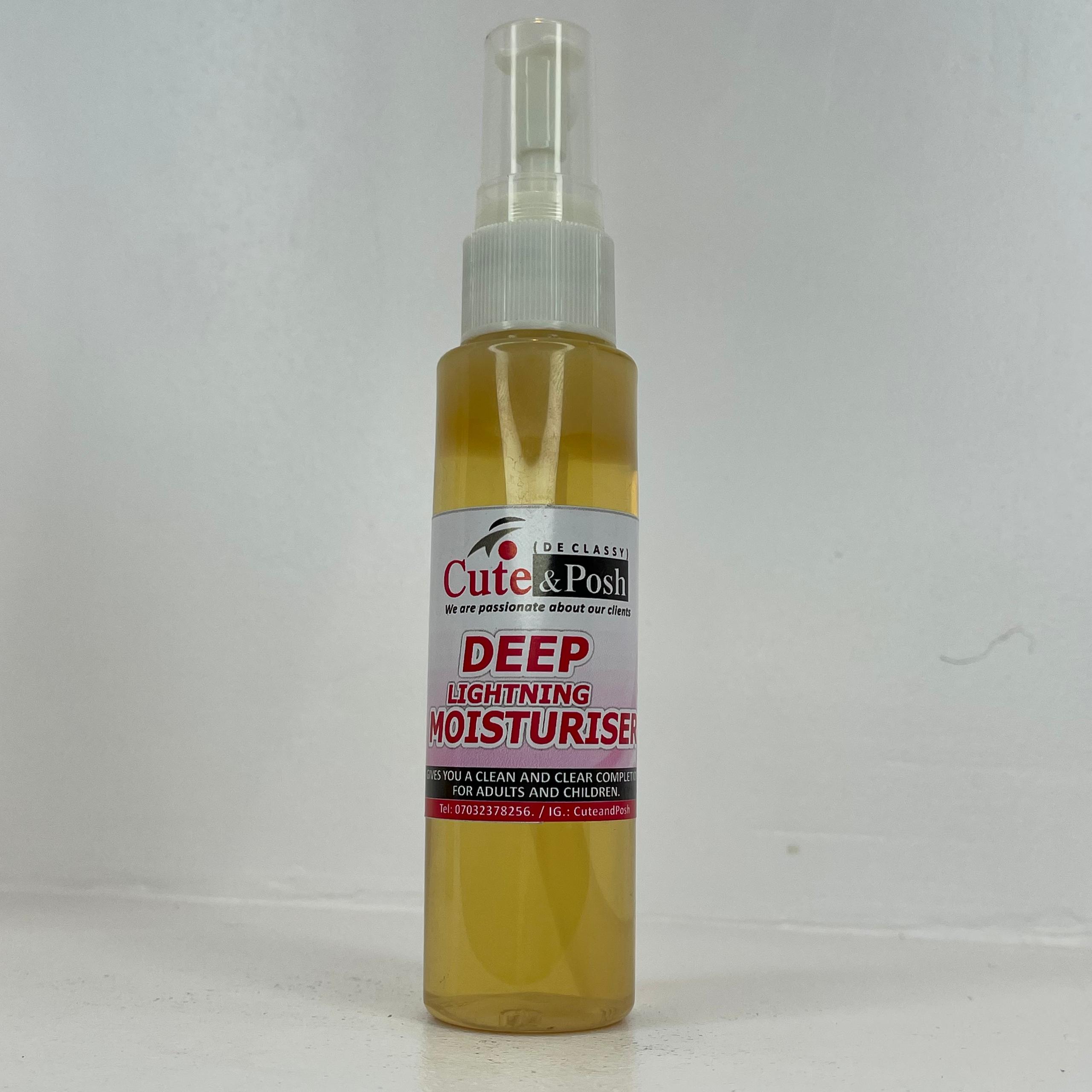
Tips and Best Practices for Maximizing Benefits
Here are some extra tips to make the most of your hyaluronic acid skin moisturizers:
- Patch Test new products, especially if skin is reactive.
- Apply to damp skin (not dripping wet, but lightly moist).
- Seal immediately with barrier cream or occlusive to trap hydration.
- Adjust based on climate/season: use lighter gels in humid weather, richer creams in cold/dry weather.
- Use morning and night, or as your skin condition dictates.
- Layer carefully: HA moisturizers complement but don’t replace barrier creams.
- With actives: use HA after water-based serums or actives to soothe and hydrate.
- Store well: keep the product in a cool, dark place; avoid direct sunlight.
- Avoid overloading with multiple HA-heavy products (redundancy yields diminishing returns).
- Monitor your skin: if you notice increased tightness or dryness, adjust your layer strategy (perhaps add more occlusive or reduce HA use in low-humidity settings).
Conclusion
Hyaluronic acid has rightfully earned its place as a powerhouse ingredient in skin moisturizers. Its capacity to attract and retain water, combined with its compatibility and safety profile, makes it a go-to in many skincare formulations. But its efficacy depends heavily on formulation quality, molecular weight profiles, and complementary ingredients. When choosing and using HA moisturizers, focus on multipronged hydration strategies—layer on barrier lipids, emulsions, and occlusive as needed. Use intelligently with other actives, tailor to your climate and skin type, and track how your skin responds. .nivea
Frequently Asked Questions (FAQs)
Here are some commonly asked questions around hyaluronic acid in skin moisturizers, with concise answers.
Q1: What is the difference between hyaluronic acid serum and hyaluronic acid moisturizer?
Answer: A serum is typically lighter, with a higher concentration of humectants (like HA) and fewer barrier components, designed to penetrate and hydrate. A moisturizer usually includes HA plus emollients, lipids, and occlusives to both hydrate and seal moisture in. You can use both, but ensure they are complementary rather than redundant.
Q2: Can hyaluronic acid moisturizers help with dry skin?
Answer: Yes. HA moisturizers are especially beneficial for dry or dehydrated skin because they attract water into the skin. When properly formulated with barrier-supporting ingredients, they help maintain hydration and reduce tightness and flaking.
Q3: Will hyaluronic acid clog pores or cause breakouts?
Answer: Generally no—HA is non-comedogenic and quite safe even for acne-prone skin. The risk of breakouts usually comes from other ingredients in the formula (heavy oils, silicones, fragrances) rather than HA itself. If you have acne-prone skin, choose a lightweight, non-comedogenic HA moisturizer.
Q4: How soon will I see results using hyaluronic acid moisturizers?
Answer: You may see immediate plumping or hydration within minutes due to water-binding. Over 2–6 weeks, regular use can lead to more sustained hydration, smoother skin, and reduction in fine-line appearance (as seen in clinical studies).
Q5: Can I use hyaluronic acid moisturizer with retinoids or acids?
Answer: Yes. In fact, HA moisturizers are often used to buffer or soothe skin when using stronger actives. The recommended order is to apply acid or retinoid first (if aqueous), then follow with HA moisturizer to hydrate and give comfort.
Q6: Is higher concentration of HA always better?
Answer: Not necessarily. The effectiveness of HA depends more on molecular weights, formulation synergy, and stability than sheer concentration. Too much high-MW HA can lead to tacky textures or formulation issues. A balanced approach with multiple MWs is usually superior.
Q7: Does hyaluronic acid moisturizers work in very dry or low-humidity areas?
Answer: In extremely low-humidity environments, HA might draw moisture from deeper skin layers if there isn’t enough ambient moisture—which could exacerbate dryness. To avoid this, apply to damp skin and seal with a richer barrier cream.
Q8: Are there side effects or risks with hyaluronic acid in moisturizers?
Answer: For most people, HA is safe and well tolerated. Rarely, impurities or poorly formulated HA might cause irritation. Always patch test especially for sensitive or reactive skin types. Avoid use on broken, inflamed skin without medical guidance https://www.nivea.com.ng/products/face/care