

Introduction
When people talk about “moisturizers,” the ingredients that often come up are hyaluronic acid, glycerin, occlusive (like petrolatum), ceramides, peptides, niacinamide, and so on. Among these, ceramides have gained strong attention in recent years as essential lipids that powerfully support skin barrier health. Why has ceramide become a buzzword? Because our skin’s natural ceramide levels decline over time due to aging, environmental stressors, harsh cleansers, UV exposure, and more. When ceramide levels drop, the skin barrier weakens, leading to dryness, sensitivity, irritation, and visible aging. Incorporating a good ceramide‑rich skin moisturizer helps replenish that lost barrier and restore healthy skin function.
In this article, we dive deep into how ceramides work, their top benefits in moisturizers, what to look for when choosing one, tips on using them, and real product examples you can try.
Table of Contents
What Are Ceramides?
Ceramides are a class of lipid molecules (fats) composed of sphingosine and a fatty acid. They are part of a broader family called sphingolipids. In the context of skin, ceramides are among the primary lipids in the stratum corneum (the outermost skin layer).
To visualize their role, many people use a “brick and mortar” analogy: skin cells are the bricks, and the lipids (including ceramides) are the mortar that seals the structure. When that mortar weakens or is lost, moisture can escape and irritants can penetrate more easily.
In human skin, there are multiple types of ceramides (often called ceramide 1, 2, 3, 6-II, AP, EOP, NP, etc.) and synthetic or semi-synthetic “ceramide analogues” (sometimes called pseudoceramides) used in skincare formulations.
While our skin produces ceramides naturally, factors like aging, sun exposure, over‑cleansing, harsh chemical exfoliants, pollution, and metabolic stress can reduce ceramide content, contributing to barrier dysfunction.
How Ceramides Work in the Skin
To appreciate the benefits of ceramides, it helps to understand their mechanisms in skin physiology:
- Barrier structure and cohesion
Ceramides help organize the extracellular lipid matrix between skin cells (corneocytes). They maintain the ordered lamellar (layered) lipid structure that prevents random gaps in the barrier. Without enough ceramides, the “mortar” becomes loose, and the barrier is compromised. - Sealing and occlusion (semi-occlusive effect)
Ceramides form a protective but breathable layer that helps prevent excessive water loss (despite being lipids, they aren’t as occlusive as heavy oils). - Regulating permeability
They control how substances move through the skin. With intact ceramide levels, the skin is more resistant to penetration by potential irritants and allergens. - Supporting lipid balance and natural repair
Ceramides often work in synergy with other lipids (cholesterol, free fatty acids) to maintain optimal barrier function. The proper ratio of these lipids is critical. Some studies show that applying ceramides helps stimulate normal lipid synthesis and barrier repair responses. - Modulating inflammation and skin cell signaling
Ceramides can influence skin cell signaling, apoptosis, and inflammatory pathways, which helps in barrier repair and barrier stability under stress.
When you apply a ceramide-containing moisturizer, you are supplementing your skin’s own lipids, helping to restore structural integrity and plug the “gaps” in the skin barrier.
Why Ceramides Belong in Skin Moisturizers
Not all moisturizers are created equal. The most effective ones do more than sit on top of the skin — they actively reinforce the barrier and support skin function. Ceramides are among the most powerful barrier-repair agents available. Here’s why placing them into moisturizers is especially useful:
- Direct supplementation: Instead of waiting for skin to produce more lipids, a ceramide moisturiser delivers them directly to the barrier where they are needed.
- Synergy with humectants and occlusives: A well-formulated ceramide moisturizer typically includes humectants (e.g. hyaluronic acid, glycerin) and occlusive lipids (e.g. squalane, shea butter). Together, they attract water, hold it in, and seal it.
- Repair after disruption: Post-exfoliation, retinoid use, environmental damage, or barrier compromise — a ceramide moisturizer helps accelerate recovery.
- Gentle and generally well-tolerated: Unlike harsher actives, ceramide-based moisturizers are often suitable even for sensitive or compromised skin (if formulated without irritants).
Because of all this, many dermatologists consider ceramides a “must-have” ingredient in barrier-repair and maintenance moisturizers.
Key Benefits of Ceramides in Skin Moisturizers
Here are the major advantages when your moisturizer contains ceramides:
1 Strengthening the Skin Barrier
One of the primary functions of ceramides is reinforcing the skin barrier (the outermost defense). When ceramide levels are adequate, the barrier can:
- Resist penetration by pathogens, pollutants, and allergens
- Prevent irritants and harsh agents from getting in
- Maintain cohesion between skin cells
When ceramide levels drop, microscopic cracks or gaps form in the barrier. These can lead to dryness, irritation, and sensitivity. Several scientific reviews confirm that replacing ceramides helps the skin regain proper barrier function.
2 Reducing Trans‑Epidermal Water Loss (TEWL)
Trans‑epidermal water loss (TEWL) refers to the amount of water that diffuses from the deeper skin to the surface and evaporates. When the barrier is compromised, TEWL increases, causing dryness and dehydration.
Applied ceramide-containing creams significantly reduce TEWL, effectively locking moisture into the skin.
This leads to improved hydration over time and helps prevent the skin from drying out between applications.
3 Improved Hydration & Plumping
Because they reduce water loss, ceramides help maintain moisture levels in the skin. Hydrated skin is plumper, smoother, more elastic, and less likely to show wrinkles or fine lines.
Moreover, moisturizers with ceramides often include humectants (which draw water into the skin) and occlusives (which seal it), so the combined effect is more profound hydration.
4 Soothing, Anti‑Inflammatory Effects
A compromised barrier often triggers inflammation and irritation. Because ceramides stabilize the barrier and reduce penetrative irritants, they help calm and soothe skin. Some studies also suggest direct anti-inflammatory signaling functions of ceramide derivatives.
For people with eczema, rosacea, sensitive skin, or barrier damage from retinoids or active treatments, ceramide moisturizers are often recommended.
5 Supporting Skin Repair and Healing
When the skin is wounded (from minor abrasion, over‑exfoliation, harsh treatments), barrier repair is essential. Ceramides help supply lipids needed for building new barrier layers, speeding the repair process.
6 Anti‑Aging & Minimizing Fine Lines
As we age, the skin’s natural ability to produce ceramides diminishes. Loss of ceramides contributes to thinner, drier skin with more visible lines.
By restoring lipid content and improving hydration, ceramide moisturizers help minimize the appearance of fine lines, maintain elasticity, and restore a youthful glow.
7 Enhancing Protection from Environmental Stress
UV rays, pollution, oxidative stress, and temperature extremes all stress the barrier. Studies have found that when ceramide-containing moisturizers are used in conjunction with sunscreen or barrier-supporting ingredients, they help buffer UV damage to the barrier and reduce redness.
8 Compatibility with Other Skincare Actives
Ceramides tend to be mild and stable, so they can usually be paired with stronger actives (retinol, vitamin C, acids) to mitigate irritation and promote tolerance. They are often included in “post-treatment” or “soothing / recovery” moisturizer.
Because they improve barrier function, using ceramide moisturizers can allow you to tolerate more potent treatments with less irritation.
Types of Ceramides & Label Terms to Know
When shopping for a ceramide moisturizer, you may see various terms on labels. Understanding them helps you choose wisely.
One useful rule: formulations that list several ceramides (e.g. NP, NS, EOP) in combination are likely more robust than a single ceramide. Also look for supporting lipids like cholesterol, fatty acids (linoleic acid, oleic acid), and barrier-enhancers.
How to Choose a Good Ceramide Moisturizer
Not every product that claims “has ceramides” is equally effective. Here are criteria and tips:
1 Concentration & Formulation
- The concentration of ceramides matters: too little may have limited effect. Many commercial products have relatively low ceramide percentages (sometimes <1%). Some critics argue that it’s more marketing than functional. (Notably, some users and industry insiders have raised concerns about “most ceramide products being a scam” due to low or non-ideal formulations).
- But even small amounts, if properly integrated into the lipid matrix, can have benefit. Look for references to “lipid matrix” or “barrier repair” rather than just “contains ceramides.”
2 Supporting Lipids & Synergistic Ingredients
- A powerful barrier-repair moisturizer doesn’t rely on ceramides alone. The optimal formula includes cholesterol and free fatty acids in balanced ratios. This mimics the natural lipid barrier cascade.
- Look for humectants (e.g. hyaluronic acid, glycerin) that attract water, and occlusives (e.g. squalane, dimethicone, petrolatum) to seal moisture in.
- Some actives like niacinamide, panthenol, allantoin, ceramide precursors, and lipid-replenishing oils are useful additions.
3 Texture, Base, and Suitability for Skin Type
- For dry or very dry skin, you might prefer a richer cream or balm with higher oil content and heavier occlusives.
- For normal to combination or oily skin, look for lighter emulsions, lotions, or silken creams that still deliver ceramides but without heavy occlusion.
- Ensure it is non-comedogenic if you are prone to breakouts.
4 Fragrance, Irritants & Packaging
- Avoid strong fragrance, essential oils, alcohol, or harsh preservatives that may counteract the barrier repair effect.
- Packaging that minimizes exposure to air (pumps, tubes, opaque jars) can help prevent oxidation or degradation of ceramide molecules.
5 pH, Stability & Delivery Technology
- The pH should be in a skin-friendly range (~5 to 6).
- Some formulas use technology (nano-encapsulation, liposomes, multilayer lipid vesicles) to deliver ceramides deeper or more uniformly.
In short: a balanced, well‑thought-out formula is more important than any one ingredient name on the label.
How to Use a Ceramide Moisturizer — Routine Tips
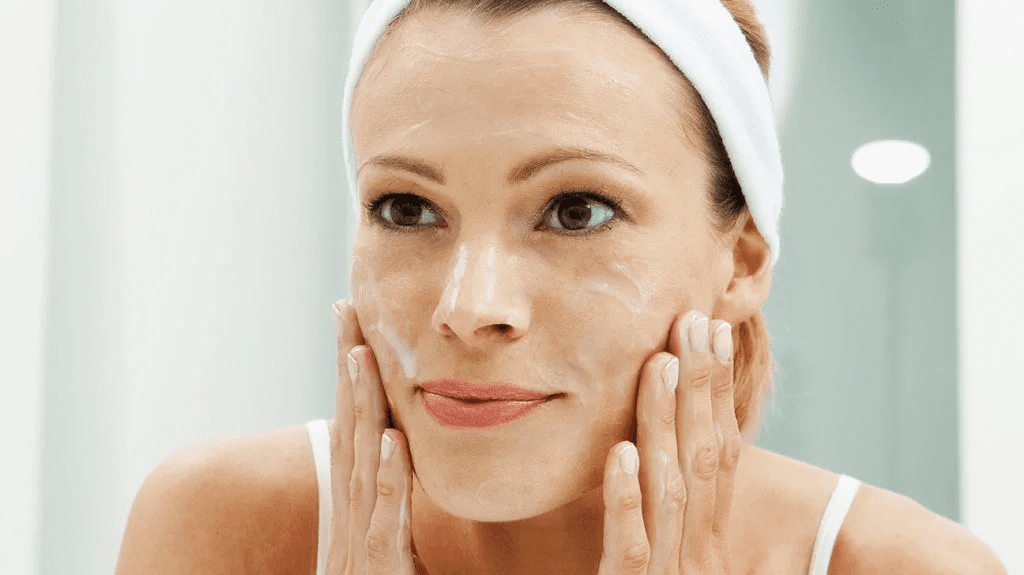
To get the most benefit:
- Use on damp (not wet) skin
After cleansing or applying a hydrating toner/serum, pat your skin gently so it’s lightly damp. Then apply the ceramide moisturizer to “trap” moisture. - Layer order
- Cleanser → toner/essence → serums → ceramide moisturizer → sunscreen (AM)
- In the evening, you might layer over active treatments (e.g. retinoids) to buffer irritation.
- Cleanser → toner/essence → serums → ceramide moisturizer → sunscreen (AM)
- Frequency
Use twice daily (morning and night) if your skin tolerates it. If barrier is compromised, you may start with once nightly and gradually increase. - Patch test
Always test on a small area (behind ear, jawline) for 1–2 days, especially if you have sensitive skin. - Complement with other barrier-support practices
- Use gentle, non-stripping cleansers
- Avoid long, hot showers
- Minimize over-exfoliation
- Use sun protection daily
- Support with diet and hydration
- Use gentle, non-stripping cleansers
- Recovery post-procedure
After treatments (chemical peel, microneedling), applying a ceramide-based moisturizer can help reduce downtime and support faster barrier regeneration. - Don’t “over-moisturize”
More product does not necessarily equal better results. A moderate but consistent use is often more effective.
Common Myths & Misconceptions
| Myth | Reality / Clarification |
| “All ceramide moisturizers are equally effective.” | No — formulation, concentration, and supporting ingredients vary widely. |
| “If I stop using ceramides, my skin will suffer permanently.” | Not true; ceramides are supportive, not mandatory. If the barrier is healthy, you may not notice much change. |
| “Ceramides alone can fix all skin problems.” | They are foundational, but not a cure-all. You still need sun protection, good diet, and other actives. |
| “More is better — heavy creams always beat lighter ones.” | Not always — too heavy creams may clog pores in certain skin types. |
| “If a ceramide cream stings, the ceramides are bad.” | The sting may come from other ingredients (fragrance, alcohol) or a compromised barrier, not the ceramides themselves. ceramides, skin moisturizers |
Recommended Products
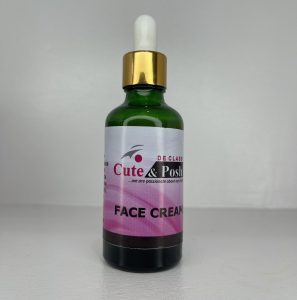
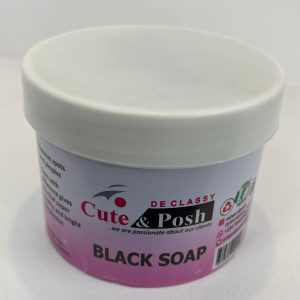
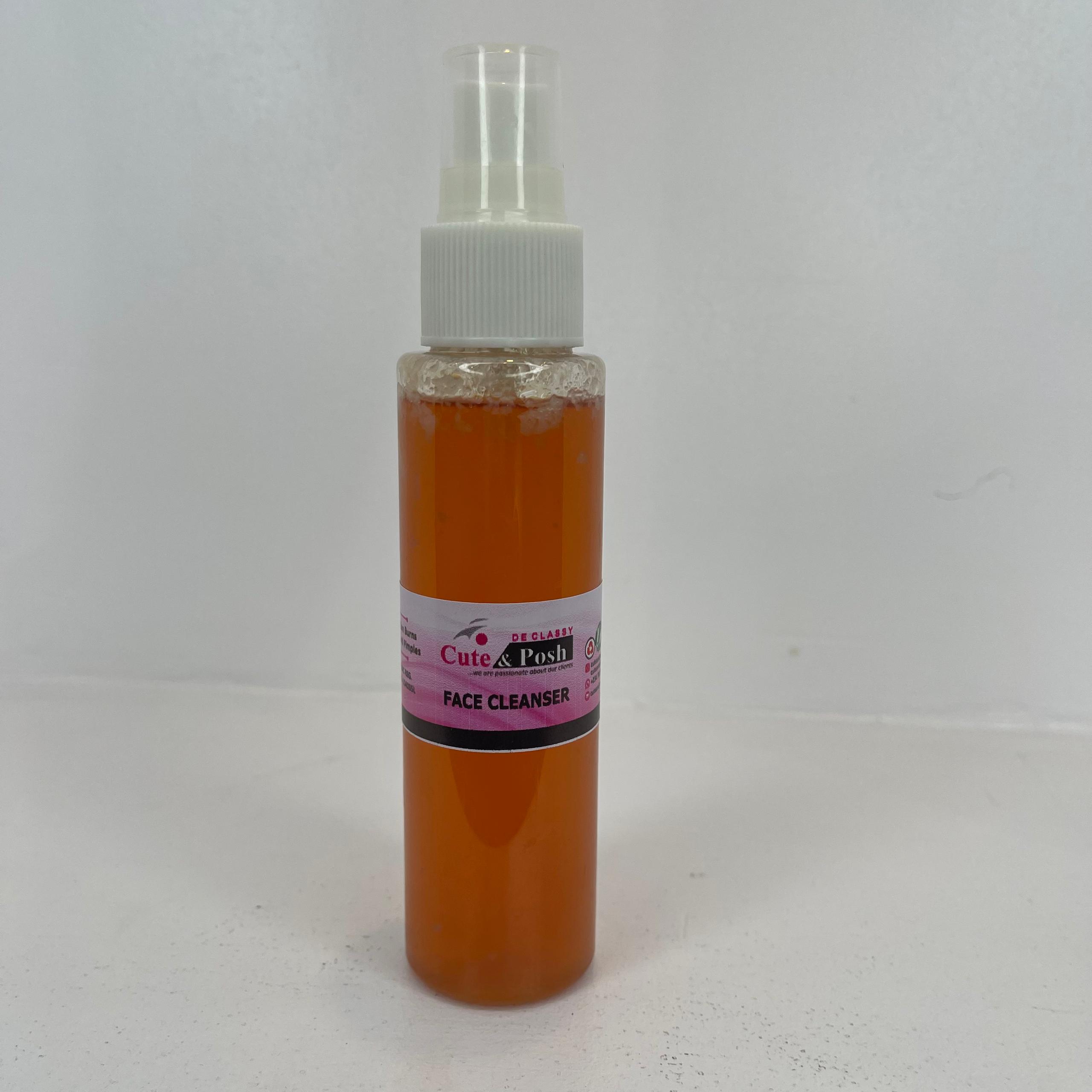
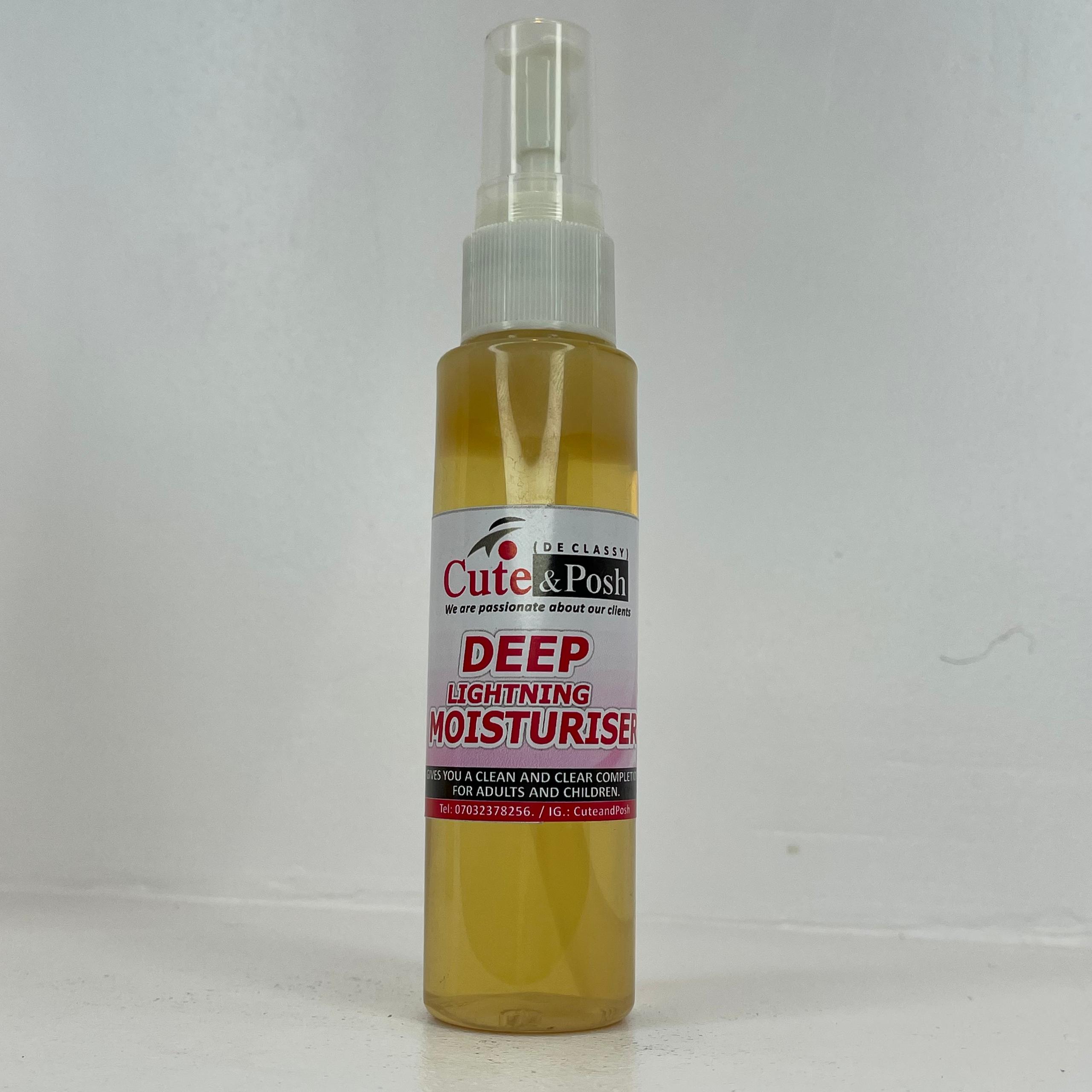
CUTE & POSH FACE CREAM (SERUM)
Summary & Final Thoughts
- Ceramides are foundational lipids in our skin’s barrier, essential for locking in moisture and keeping irritants out.
- As ceramide levels decline due to aging, environmental stress, and harsh treatments, the skin barrier weakens, causing dryness, sensitivity, and signs of aging.
- Ceramide-containing skin moisturizers play a vital role in supplementing lost lipids, repairing barrier function, and improving hydration, texture, and resilience.
- Not all ceramide moisturizers are equal — formulation, concentration, accompanying lipids, texture, and absence of irritants matter.
- Used correctly (on damp skin, before sunscreen, in combination with other supportive practices), ceramide moisturizers can become a key pillar of any effective skincare routine.
- The product suggestions above are good starting points — but always choose based on your skin type, preferences, and ingredient tolerances. NIVEA
FAQs (Frequently Asked Questions)
Below are common questions about ceramides in skin moisturizers.
Q1: Are ceramides safe for all skin types (sensitive, oily, acne-prone)?
Yes, generally. Because ceramides mimic natural skin lipids and help strengthen the barrier, they tend to be well tolerated. Still, avoid products with irritating ingredients like heavy fragrance or alcohol if your skin is sensitive.
Q2: Can ceramides clog pores / cause breakouts?
Pure ceramides are non-comedogenic (i.e. do not clog pores). Breakouts may result from other ingredients (heavy oils, comedogenic components) in the product, not the ceramides themselves.
Q3: How long before I see benefit from using a ceramide moisturizer?
Many people feel improved comfort or reduced tightness within a few days. Visible changes (less flaking, reduced redness, smoother texture) may take 2–4 weeks of consistent use.
Q4: Can I use ceramides with retinol, acids (AHA/BHA), or vitamin C?
Yes — ceramide moisturizers are often used as “buffering” layers or as a final hydration step to minimize irritation from actives.
Q5: What happens if I stop using a ceramide moisturizer?
Your skin may gradually return to its baseline barrier state, especially if your routines include other supportive practices. There’s no indication of permanent harm from discontinuation.
Q6: Do oral (ingested) ceramide supplements help skin?
Some preliminary studies suggest that “phytoceramides” (plant-derived ceramide supplements) may enhance skin hydration and lipid content over months. But evidence is still limited, and topical application remains the mainstay
Q7: Are natural ceramides better than synthetic / pseudoceramides?
Not necessarily. Synthetic analogues may offer greater stability, purity, and reproducibility. What matters more is how well the ceramide (natural or synthetic) is formulated into the product’s lipid matrix.
Q8: How many types (or which ceramides) should a moisturizer include?
There is no strict rule, but many high-quality moisturizers include a blend (NP, NS, AP, EOP) or “ceramide complex.” Some use 2–3 or more variants to better replicate the skin’s natural lipid diversity. NIVEA