

Introduction
Moisturizing is one of the cornerstones of any good skincare routine. But with countless creams, gels, lotions, serums, and oils available, it can be confusing to know how to choose a moisturizer tailored for your skin. The answer lies in understanding your skin type, your skin’s current state and concerns, and matching that with the right formulation. In this guide, we’ll walk you through :
Table of Contents
Let’s dive in.
Why Moisturizing Matters
Before we go into “choosing moisturizer, skin type, let’s reaffirm why moisturizers are essential:
- Prevent water loss (TEWL): The skin continually loses water to evaporation (transepidermal water loss). A moisturizer helps trap that moisture and keep the skin hydrated.
- Maintain barrier health: Ingredients like ceramides, fatty acids, and lipids in a good moisturizer support the skin’s barrier, helping it resist external irritants.
- Balance oil production: Even oily skin needs hydration. When skin is too dry, it may overcompensate by producing more oil, leading to breakouts.
- Soothing and repair: Many moisturizers include calming or reparative ingredients (e.g. niacinamide, panthenol) that help soothe irritation or strengthen the skin.
- Makeup base / improve texture: Well-hydrated skin tends to look smoother and allows makeup or other skincare layers to apply more evenly.
If you skip moisturizer entirely, you risk dryness, tightness, premature aging, irritation, and an impaired skin barrier.
Hence, knowing how to choose a moisturizer for your skin type is critical.
Step 1: Determine Your Skin Type
Your moisturizer choice should begin with a clear understanding of your skin type. Below are common skin types and how to identify them:
| Skin Type | Typical Characteristics | How to Test / Observe |
| Normal | Neither too oily nor too dry. Skin feels balanced, pores are not very visible, occasional minor breakouts. | After washing your face and waiting ~1 hour, your skin feels neither tight nor slick. Blotting paper picks up little oil. |
| Dry | Tightness, flakiness, dullness, rough patches, possible itching. | Skin may feel tight after washing, and blotting paper yields minimal oil. |
| Oily | Excess shine (especially T-zone), enlarged pores, frequent breakouts. | Blotting paper will pick up noticeable oil, particularly in the T-zone. |
| Combination | Dryness in some areas (cheeks) and oiliness in others (forehead, nose, chin). | Blotting paper shows oil in some zones but not everywhere. |
| Sensitive / Reactive | Prone to redness, burning, stinging, irritation with new products. | If new products frequently cause reactions, you likely have sensitive skin. |
You can also use a simple blotting paper test: press a clean blotting paper or tissue across different areas of your face. If it picks up oil — that area is more oily.
Dermatologists often emphasize that your skin type is not static — it can change with age, season, climate, hormones, and stress.
Once you know your skin type, you can narrow your moisturizer choices accordingly.
Step 2: Understand Moisturizer Components & Functions
To choose a moisturizer wisely, you must understand how moisturizers work — and what components are doing the heavy lifting. Most good moisturizers combine three broad classes of ingredients:
- Humectants
These draw water into the skin from the environment or deeper layers. Examples: glycerin, hyaluronic acid, urea, sodium PCA. - Emollients
These smooth and fill in the gaps between skin cells, improving texture and softness. Examples: plant oils, squalane, esters, fatty acids. - Occlusives
These form a barrier over the skin to prevent water loss. Examples: petrolatum, dimethicone, waxes, lanolin.
A high‑quality moisturizer will balance these three functions depending on what your skin needs.
In addition, barrier-supporting ingredients such as ceramides, niacinamide, fatty acids, cholesterol, panthenol, and oat extract are highly beneficial.
Ingredients to Avoid or Use Cautiously
- Fragrance / Perfume / Essential oils — can irritate sensitive or reactive skin.
- High concentrations of alcohols (denatured, SD alcohol, etc.) — can be drying or irritating.
- Harsh dyes, synthetic colorants
- Strong active acids or retinoids (unless part of a specialized treatment) in a base may be overly harsh for daily use in many skin types.
- Ingredients that clog pores (comedogenic oils) for oily or acne-prone skin
Thus, when choosing a moisturizer, always check the ingredient list against your skin type and sensitivity.
Step 3: Match Formulation Type to Skin Type
Moisturizers come in different textures and forms — gel, lotion, cream, ointment — and each is better suited for particular skin types or conditions.
Here’s a simple breakdown:
| Formulation | Texture / Feel | Best for Skin Types & Use Cases |
| Gel / Gel‑cream / Water-based | Lightweight, non-greasy, fast-absorbing | Ideal for oily, acne-prone, humid climates, combination skin |
| Lotion / Light Cream | Medium weight, balanced hydration | Normal to combination skin, general everyday use |
| Cream / Rich Cream | Thicker, oilier | Dry, very dry, mature, sensitive skin; winter or cold climate use |
| Ointment / Balm | Heaviest, occlusive | For extremely dry patches, overnight use, cracked skin |
Dermatologists often advise those with dry skin to gravitate toward creams or ointments, while those with oily skin might skip heavy creams and opt for gel or even skip moisturizer in some areas.
For combination skin, you may sometimes use dual products — lighter formulas in oily zones, richer ones in dry zones — or rely on a balanced formula.
Thus, after identifying your skin type, the next filter is the formulation type that complements your skin needs.
Step 4: Consider Environment, Season & Lifestyle
Even the best moisturizer for your skin needs can perform poorly if it doesn’t suit your climate, season, or lifestyle. When choosing moisturizer (skin type), always factor in these external variables.
Climate & Season
- Dry / cold climates / winter → Use richer, more occlusive, nourishing formulas to combat moisture loss
- Humid / hot climates / summer → Use lighter gels or lotions to avoid heaviness or greasiness
- Indoor air (air conditioning or heating) → Strips moisture, so a touch richer formula might be needed regardless of external weather
Lifestyle & Activity
- If you spend a lot of time outdoors, you might prioritize moisturizers with SPF (or layer sunscreen).
- If you wear makeup, you’ll want a moisturizer that sits well under foundation without pilling or slipping.
- If your skincare regimen includes potent actives (retinoids, acids), you’ll want a moisturizer that aids barrier repair.
Day vs Night Use
- Daytime formulations tend to be lighter, sometimes with SPF, and optimized for layering.
- Nighttime formulas can be richer, allowing more time for repair, nourishment, and deeper hydration.
Many skincare lines offer AM/PM pairs of moisturizers designed for this purpose. For example, CeraVe offers an AM moisturizing lotion (with SPF) and a PM variant.
When choosing a moisturizer, think not only of your skin type but also when, where, and how you’ll use it.
Step 5: The Selection Process — Step by Step
Below is a practical roadmap to help you, step by step, in choosing a moisturizer that aligns with your skin:
- Identify your skin type (as in Step 1).
- List your skin concerns / goals (e.g. acne, aging, sensitivity, hyperpigmentation).
- Decide on texture/formulation based on type + climate (gel, cream, etc.).
- Check ingredient list:
- Ensure it has humectants, emollients, and occlusives in sensible balance
- Look for barrier helpers: ceramides, niacinamide, panthenol
- Avoid known irritants (fragrance, alcohols, dyes) if sensitive
- If needing treatment (anti-aging, acne), match the active ingredients carefully
- Ensure it has humectants, emollients, and occlusives in sensible balance
- Check labeling claims: non-comedogenic, hypoallergenic, dermatologist tested
- Do a patch test (behind ear, jawline) for 24–48 hours
- Evaluate over time: observe how your skin reacts (tightness, oiliness, breakouts)
- Be ready to adjust with seasons, or as your skin changes
One guideline is to apply moisturizers on damp skin (e.g. just after cleansing or shower) to lock in moisture. Dermatologists often emphasize applying moisturizer immediately after washing to prevent water loss.
Also, avoid layering too many actives without enough hydration and barrier support — that can disrupt the skin.
Finally, listen to your skin: if it’s overly oily, greasy, or breaking out, you may need a lighter formula; if it’s tight or itchy, you may need something richer.
What to Look For vs. What to Avoid
Must-Have / Beneficial Ingredients
- Humectants: hyaluronic acid, glycerin, urea
- Barrier-support & lipids: ceramides, cholesterol, fatty acids
- Emollients / non-greasy oils: squalane, jojoba, ester oils
- Soothers / calming agents: aloe, panthenol (pro-vitamin B5), bisabolol
- Anti-inflammatory / barrier helpers: niacinamide, oat extract, green tea
- Sun protection (for day use): broad-spectrum SPF 30 or more (if included)
- Non-comedogenic and fragrance-free
Ingredients / Features to Avoid or Use Cautiously
- Fragrance / synthetic perfumes
- High levels of alcohol (denatured)
- Harsh dyes, synthetic colorants
- Comedogenic oils for acne-prone skin (e.g. coconut oil in high quantities)
- Overly complex formulas mixing many strong active ingredients
When choosing a moisturizer, always flip to the ingredient list and see if the formula supports your skin rather than potentially harming it.
Choosing Based on Each Skin Type
Below is a detailed breakdown of how to choose moisturizer depending on your skin type, with special tips and caveats.
For Dry or Very Dry Skin
What you need: Rich hydration, barrier repair, and occlusion to prevent water loss.
Formulation: Creams, richer emulsions, even ointments or balms in extreme dryness.
Key ingredients to look for:
- Ceramides, glycerin, hyaluronic acid
- Emollients like squalane, shea butter (in moderate amount)
- Occlusives like dimethicone, petrolatum (in small percentages)
- Barrier support: niacinamide, panthenol
Tips:
- Apply on slightly damp skin to lock in moisture
- Use richer formulas in colder months; lighter ones in humid weather
- Avoid excessive exfoliation, which can worsen dryness
- Consider layering a facial oil over moisturizer at night
For Normal / Balanced Skin
What you need: Maintenance hydration, light protection, minimal fuss.
Formulation: Lightweight creams, lotions, or gel-creams.
Key ingredients:
- Humectants like glycerin, hyaluronic acid
- Light emollients (squalane, ester oils)
- Barrier helpers like ceramide, niacinamide
Tips:
- In summer or humid climates, stick to gel or light lotion
- In dry seasons, you might switch to a slightly richer cream part of the year
- Use SPF in your daytime formula or layer a sunscreen
For Oily / Acne-Prone Skin
What you need: Hydration without heaviness or clogging pores.
Formulation: Gel, gel-cream, water-based lotions.
Key ingredients:
- Humectants (hyaluronic acid, glycerin)
- Oil-free and non-comedogenic emollients
- Niacinamide to regulate sebum
- Lightweight barrier support (ceramides in lower percentages)
Tips:
- Avoid heavy butter-based creams or high comedogenic oils
- Patch test new formulas carefully
- Moisturize even if your skin feels oily — it prevents overproduction of oil
- Use lighter textures in humid weather, and slightly richer ones in drier months
Dermatologists sometimes suggest skipping moisturizer only in extremely oily areas, but only if your skin tolerates it.
For Combination Skin
What you need: Balance — hydration and oil control, often in different zones of the face.
Formulation: Balanced lotions, gel-creams. Sometimes zone-based approach: richer in dry zones, lighter in oily zones.
Key ingredients:
- Humectants (common across zones)
- Emollients that are light and non-greasy
- Niacinamide or sebum-regulating agents
- Barrier-supporting ingredients
Tips:
- You may use two products: a gel for your T-zone and cream for cheeks
- Or opt for “combination skin” marketed products
- Adjust by season — richer in winter, lighter in summer
- Observe which zones react and tailor accordingly
For Sensitive / Reactive Skin
What you need: Maximum gentleness, minimal irritants, barrier repair.
Formulation: Creams or lotions free of fragrance, dyes, and harsh actives.
Key ingredients:
- Non-irritating humectants and emollients
- Calming agents: aloe, oat, panthenol, bisabolol
- Barrier support: ceramides, fatty acids in mild form
Tips:
- Always do patch testing
- Avoid switching too many products too quickly
- Introduce new active ingredients cautiously
- Use simple formulas (fewer ingredients) to reduce the risk of reaction
If irritation or reaction persists, consult a dermatologist.
Application Tips & Best Practices
- Apply on damp skin: right after cleansing or dampening your face (within ~60 seconds) is ideal to trap water in the skin.
- Don’t overdo it: a pea-to-nickel sized amount is often enough (depending on formula).
- Layering order: Cleanser → toner / serum → moisturizer → (if day) sunscreen.
- Patch test new products before applying all over.
- Be consistent: give your moisturizer time to show results (several weeks).
- Adjust for seasons: swap to lighter formulas in summer, richer ones in winter.
- Check expiration / shelf life: Most moisturizers are best used within 6–12 months after opening.
- Store properly: keep in cool, dry places away from direct sunlight.
Recommended Products
Below are some well-known, generally well-reviewed moisturizer options across types. Always :
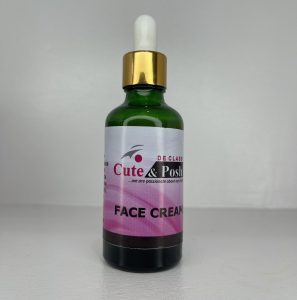
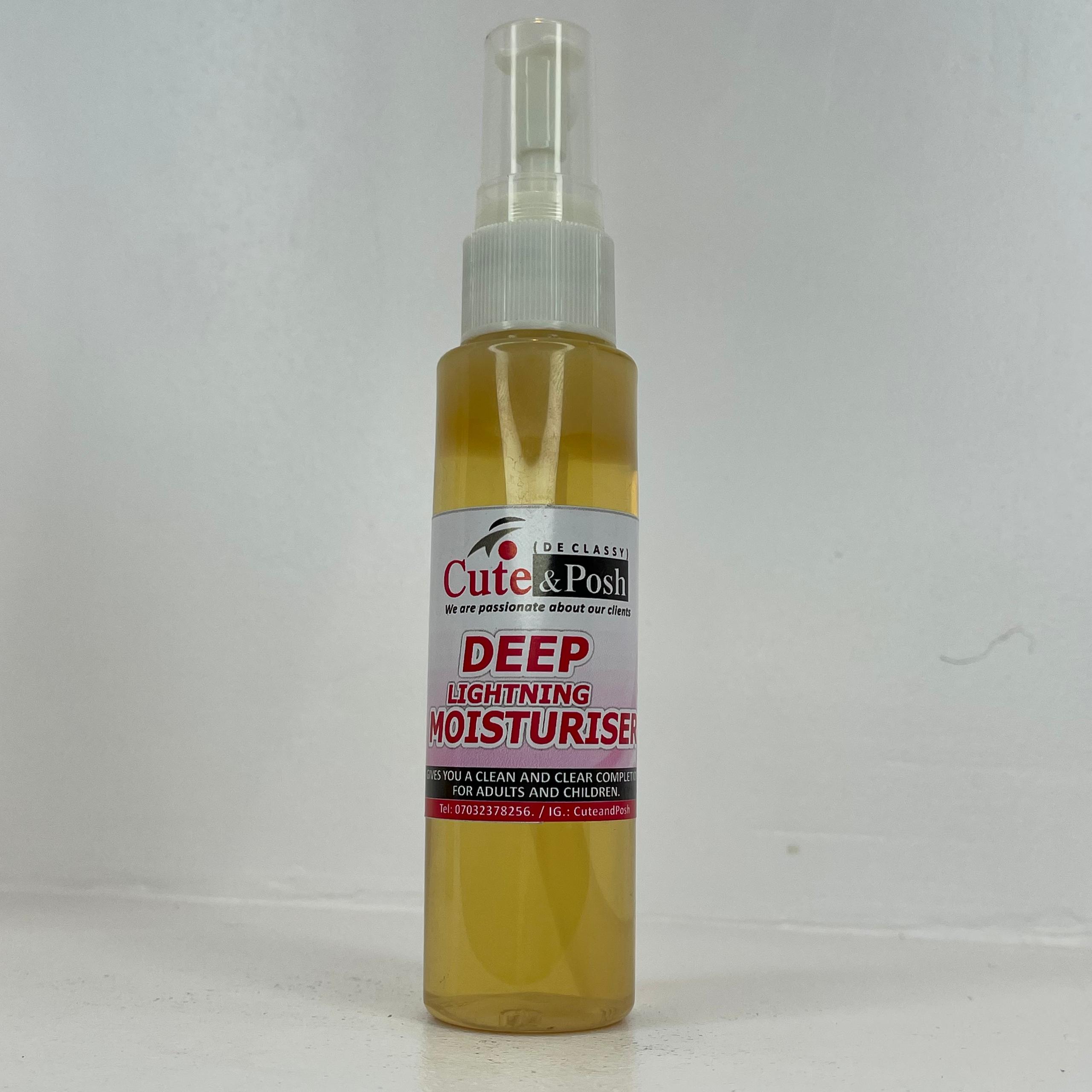
CUTE & POSH FACE CREAM (SERUM)
Cute and Posh SunScreen

Common Mistakes & What to Watch Out For
When “choosing moisturizer, skin type,” many people make avoidable mistakes. Here are pitfalls to watch out for:
- Using the same moisturizer for your face and body — face skin is thinner and more delicate; body lotions are often heavier and more fragranced.
- Sticking to one formula year-round — your skin’s needs shift with climate and time.
- Overloading with too many actives in your moisturizer — can lead to irritation or barrier breakdown.
- Not patch testing — especially for sensitive or reactive skin.
- Choosing based on marketing alone — always check ingredients.
- Waiting too long to react to signs of mismatch — redness, breakouts, persistent oiliness or dryness are clues your moisturizer might be wrong.
If you see signs like increased breakouts, redness, or irritation, stop the product and reassess.
Summary & Final Tips
- Choosing moisturizer, skin type is fundamentally about matching your skin’s needs (type, concerns, environment) with a formula that supports hydration and barrier health.
- Focus on beneficial ingredients (humectants, emollients, occlusives, barrier helpers) and avoid irritants like fragrance and harsh alcohols.
- Use the appropriate texture (gel, cream, lotion) based on skin type and climate.
- Always patch test and observe how your skin reacts over time.
- Don’t forget to adapt with seasons, lifestyle, and environment.
- Use sunscreen (or SPF moisturizer) for daytime routines.
FAQs: Choosing Moisturizer & Skin Type
Q1: Do all skin types need a moisturizer?
A: Yes. Even oily or acne-prone skin benefits from hydration — it helps maintain balance and prevent overproduction of oil.
Q2: Can one moisturizer work for all seasons?
A: Possibly, if it’s a moderate, balanced formula. But many people switch textures (lighter in summer, richer in winter) to match climate changes.
Q3: Should my daytime moisturizer include SPF?
A: It’s convenient, but the SPF in moisturizers often isn’t enough for full sun exposure. Many dermatologists recommend using a separate broad-spectrum sunscreen over or under your moisturizer.
Q4: How long should I test a new moisturizer?
A: Allow at least 4–6 weeks (a full skin renewal cycle) to judge performance, unless there’s an immediate adverse reaction.
Q5: What if I have both dry and oily areas (combination skin)?
A: Use lighter formulas in oily zones and a richer cream in dry zones, or pick a balanced formula marketed for combination skin.
Q6: Can I mix moisturizers (layer light + heavy) to customize?
A: Yes, layering a light hydrating gel first, then a richer cream can work well, provided the overall formula remains non-comedogenic and your skin tolerates it.
Q7: When should I see a dermatologist instead of self-adjusting?
A: If you have persistent irritation, severe dryness, eczema, rosacea, or any concerning skin condition not improving with over-the-counter products, consult a dermatologist. http://nivea.com.ng/