
Introduction
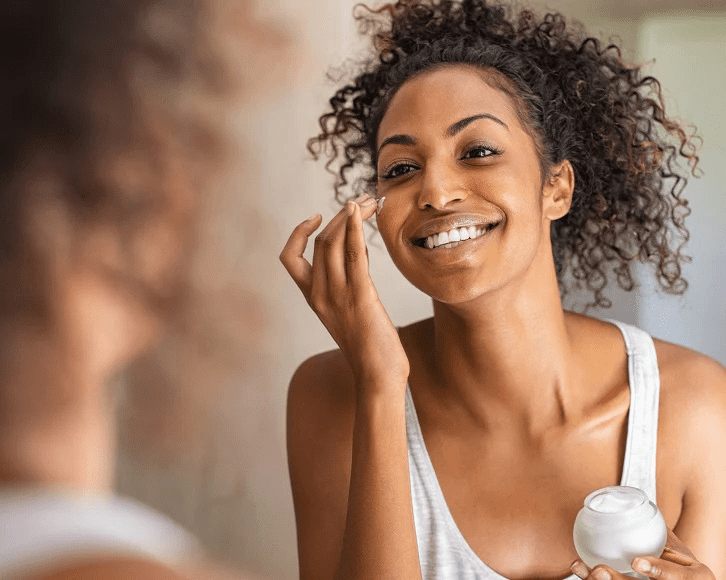
In every effective skin care routine, apply moisturizer plays a central role even if you have oily or acne‑prone skin, skipping moisturizer can backfire by prompting your skin to overproduce oil or become dehydrated. Moisturizers help support your skin barrier, lock in hydration, and improve how your skin responds to other treatments (serums, actives, etc.). When done well, applying moisturizer can lead to smoother, healthier, more radiant skin — and help your skin care routine perform better overall. This article will guide you through how to apply moisturizer for maximum benefit, integrate it into your broader regimen, and avoid common pitfalls. By the end, you’ll have both a clear method and product ideas to try
Before jumping into steps, let’s understand why moisturizer matters.
Table of Contents
The Science Behind Moisturizing
1 The Skin Barrier and Water Loss
The outermost layer of your skin, the stratum corneum, acts as a barrier keeping water in and irritants out. Without sufficient hydration and barrier repair, water can evaporate (a process called transepidermal water loss, TEWL).
Moisturizers contain humectants (which draw water into skin), emollients (which smooth out gaps between skin cells), and occlusives (which create a semi‑barrier to retain moisture). A well‑formulated moisturizer helps balance these functions.
2 Locking in Moisture
Applying moisturizer to damp, not fully dry, skin is effective because it helps trap that residual water. Many skin care guides (e.g. Curology) recommend moisturizing when skin is still slightly moist after cleansing.
Additionally, experts sometimes refer to the “three-second rule” or similar ideas: apply skincare quickly after cleansing to minimize water loss.
3 Supporting Other Active Ingredients
If your routine includes serums, retinol, acids, or other actives, a good moisturizer can cushion your skin, reduce irritation, and help with absorption. But that requires proper layering (more on that later).
Preparing Your Skin: Cleanse, Tone, Treat
Moisturizer doesn’t stand alone — it works best when integrated correctly into your full skin care routine.
1 Cleanse Gently
Start with a gentle, pH-appropriate cleanser that removes dirt, sebum, makeup and residue. Avoid harsh, stripping cleansers that leave skin tight and dehydrated.
2 Optional Step: Toner / Hydrating Mist
If you use a toner (hydrating or balancing variety, not the harsh astringent kind), apply it after cleansing. Some toners help restore pH and prep the skin for absorbing moisturizers.
3 Targeted Treatments / Serums
This is where you apply actives (vitamin C, niacinamide, acid exfoliants, etc.). Usually, the thinnest formulas go first, then you layer thicker ones later.
Be careful with incompatible combinations (e.g. strong acids + retinol).
After treatments, your skin is “primed” for moisturizer — it helps seal in these actives and reduce irritation.
How to Apply Moisturizer: Step‑by‑Step
Here is a detailed, stepwise method for applying moisturizer for maximum absorption, comfort, and effect.
Step 1: Dispense the Right Amount
- For your face, a pea‑sized amount is usually sufficient.
- Dot small portions across key areas: forehead, cheeks, nose, chin.
- If applying to neck and décolletage, add a bit more for those areas.
(Using too much can clog pores; too little may not adequately hydrate.)
Step 2: Warm and Spread
Rub the moisturizer gently between your fingertips or palms for a second — this warms it and makes it more fluid and easier to spread.
Step 3: Apply in Dots + Distribute
- Using your fingertips, dot moisturizer across your face in multiple points.
- Then, gently spread outward and upward using light pressure.
- Avoid dragging or pulling your skin, especially in delicate areas.
Step 4: Use Gentle Upward Motions
- Use your fingers to glide the product in upward strokes (from jawline toward ears, from neck upward).
- Over the cheeks and forehead, use outward and upward paths.
- For under-eye area, be extremely gentle—use your ring finger to lightly pat, not rub.
Step 5: Pat and Press
After spreading, use your palms or fingers to gently press or tap (press‑in) sections of skin. This encourages absorption and allows you to feel for areas where more product might be needed.
Step 6: Extend to Neck & Décolletage
Often neglected, the neck and chest also benefit from moisturizing. Use upward motions from the base of the neck toward the jawline, and outward strokes across the chest.
Step 7: Wait & Let Absorb Before Next Product
Give your moisturizer a moment (30 seconds to a minute) to settle. If using sunscreen or makeup, apply them after moisturizer has been sufficiently absorbed.
Step 8 (Optional): Seal or Layer
If your formula is lightweight and you want extra occlusion (especially for dry skin or in dry climates), you may apply a thin layer of occlusive (like a balm or oil) after moisturizer — but only if needed, and avoid heavy layering altogether.
Timing & Frequency: When to Moisturize
Morning Routine
- Cleanse → Toner → Serum(s) → Moisturizer → Sunscreen (last step)
- Sunscreen should always be the final layer in the daytime.
- In general, apply moisturizer while skin is still slightly damp after cleansing.
Night / Evening Routine
- Cleanse to remove sunscreen, dirt, makeup
- Toner / hydrating mist (if used)
- Treatments / actives (retinol, acids, etc.)
- Moisturizer last (for night)
- A richer or more emollient formula is often used at night to support repair.
How Often?
- Twice daily (morning + night) is the usual recommendation for most skin types.
- However, very oily skin types might adapt to once per day (depending on tolerance).
- You may reapply a light layer midday if skin feels tight or dry — especially in dry or air-conditioned environments.
Special Timing Notes
- After exfoliation or treatments, moisturize immediately to buffer irritation.
- When using potent actives (like retinol or acids), some people use the “moisturizer sandwich” method: moisturizer → active → moisturizer to mitigate irritation.
- Always allow adequate time between layers (some actives need time to absorb) — but not so long that skin becomes bone dry again.
Common Mistakes to Avoid
Even if you have a good moisturizer, improper application can reduce its benefits or cause problems. Here are common pitfalls:
- Waiting too long after cleansing: your skin loses moisture rapidly.
- Rubbing aggressively or pulling skin — this can cause irritation or microdamage.
- Using too much product — clogs pores, leaves skin greasy.
- Too little product — won’t adequately moisturize.
- Skipping neck and décolletage — often neglected, yet prone to aging.
- Incorrect layering (e.g. moisturizer applied before lighter serums).
- Not considering skin type changes — what works in dry season might be too heavy in humid season.
- Using the same moisturizer forever — your skin changes over time; you might need to adjust.
- Ignoring product compatibility — combining irritating actives under occlusive moisturizer may amplify irritation.
- Not removing sunscreen / makeup fully before applying — residue can block absorption.
By avoiding these mistakes, your applying moisturizer step becomes much more effective.
Tailoring Technique for Skin Types
Every skin type has its own needs. Here’s how to adapt applying moisturizer accordingly:
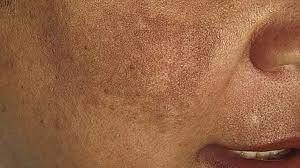
Dry / Very Dry Skin
- Use richer, cream or balm formulas
- Apply while skin is still damp
- Consider layering with hydrating serums (hyaluronic acid) underneath
- In very cold/dry climates, use an occlusive top coat (e.g. petrolatum, balm)
- Reapply a light moisturizer midday if needed
Normal / Combination Skin
- Use a balanced, non‑heavy formula — e.g. lotion or light cream
- In humid weather, you might reduce how much you use
- For combination zones (e.g. T-zone oily, cheeks dry), you might use a lighter product in oily zones and more in dry zones
Oily / Acne-Prone Skin
- Use non‑comedogenic, oil-free or gel-based moisturizers
- Choose lightweight textures and avoid heavy occlusives
- Dot and press gently rather than heavy rubbing
- Even oily skin must moisturize — skipping can lead to rebound oil production.
Sensitive / Reactive Skin
- Use fragrance-free, hypoallergenic, minimal-ingredient formulas
- Test new moisturizers on a patch first
- Apply after soothing treatments (e.g. calming serums)
- Avoid layering many active ingredients directly under heavy moisturizers
Mature / Aging Skin
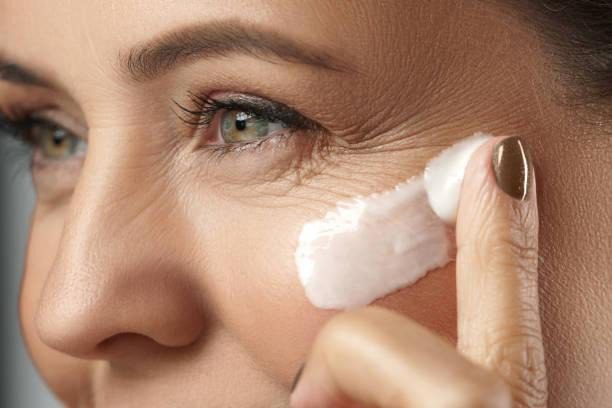
- Use formulas that support barrier and deliver nutrients (peptides, ceramides, antioxidants)
- The technique is similar, but be gentler — avoid tugging or stretching
- Consider slightly richer formulas at night
How Moisturizer Fits into Your Skin Care Routine
To get the most out of your skin care routine, moisturizer must be properly layered and timed.
Typical Morning Flow
- Cleanser
- (Optional) Toner / Hydrating mist
- Antioxidant / treatment serums (e.g. vitamin C)
- Eye cream (if used)
- Moisturizer
- Sunscreen (SPF) — final step in the morning.
Typical Evening Flow
- Cleanser (or double cleanse if wearing makeup/Sunscreen)
- Toner / Mist
- Actives / target treatments (acids, retinol, etc.)
- Eye cream (if used)
- Moisturizer (possibly richer)
When layering, the general rule is: thinnest to thickest. Moisturizer is usually toward the end (unless you’re using an oil-based or balm occlusive afterward).
Adjusting by Season or Environment
- In humid or rainy weather, lighter lotions may suffice
- In dry or winter seasons, opt for creams or occlusives
- Indoor air conditioning or heating can dry skin — so moisturize more or use richer formulas
- Be flexible — revisit your moisturizer choice periodically
Interactions with Actives
- Some actives (like acids, retinols) require a “buffer” of moisturizer before or after to reduce irritation
- Don’t overly occlude after strong actives unless your skin needs it
- Always monitor how your skin reacts — adjust layering if you see irritation
Recommended Products
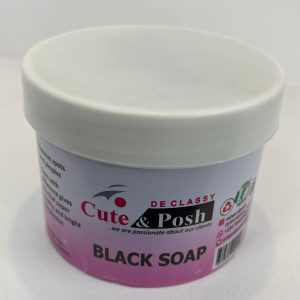
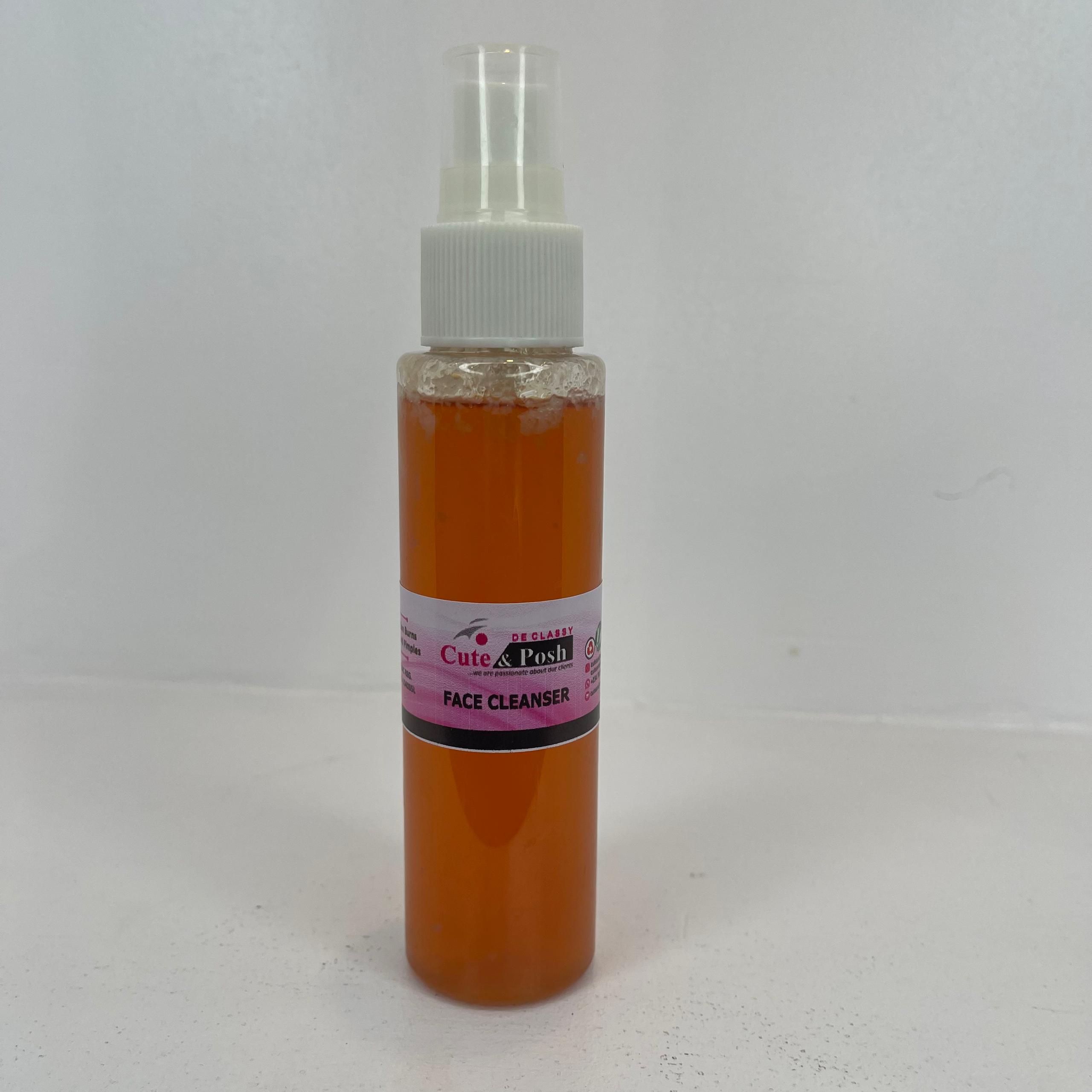
CUTE & POSH FACE CREAM (SERUM)
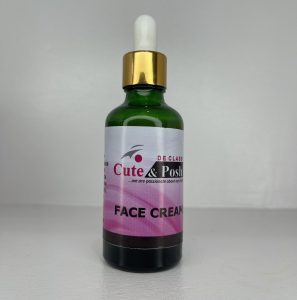
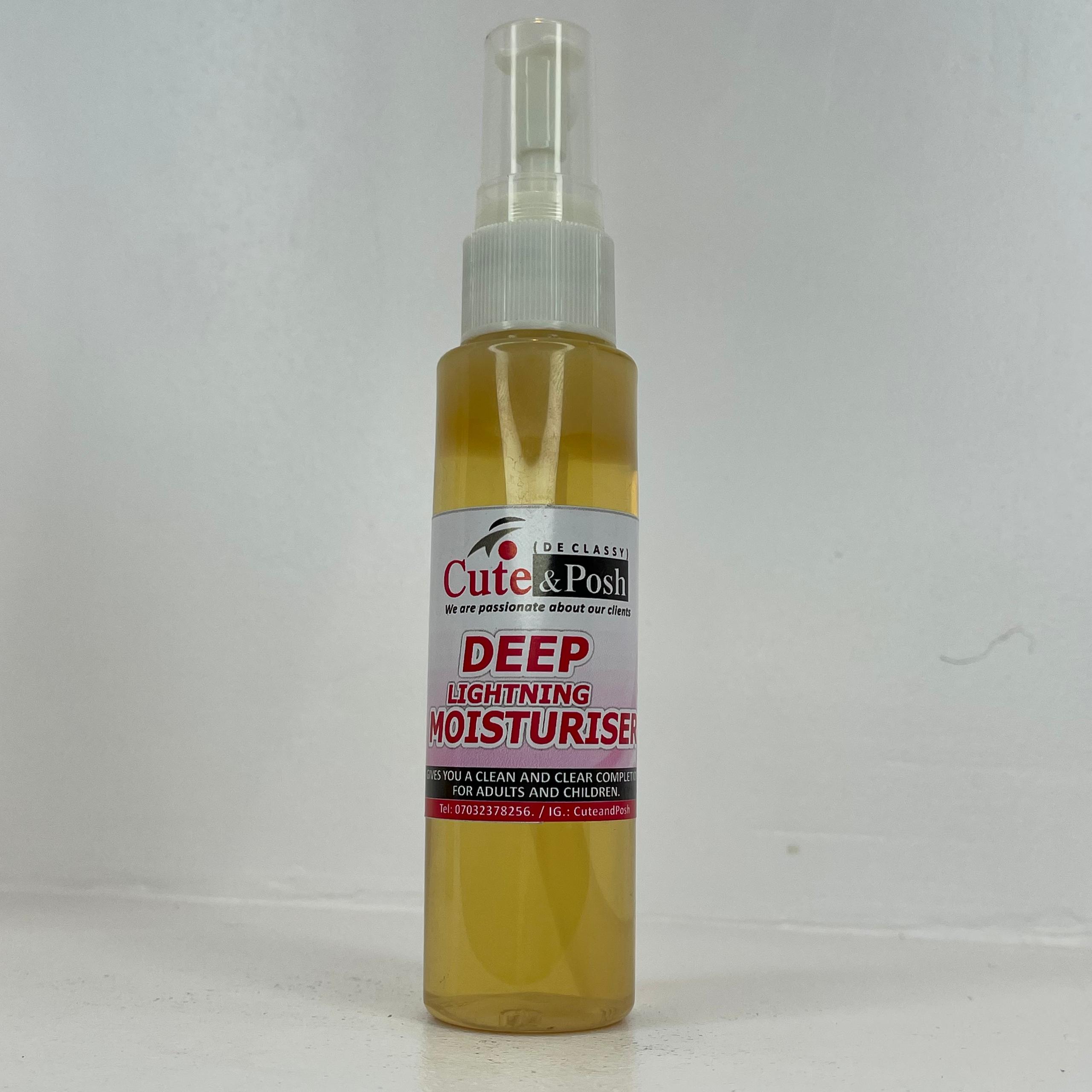
CUTE & POSH DEEP MOISTURIZER
CUTE & POSH BODY CREAM

| Skin Type / Use Case | Suggested Product / What to Look For |
| Dry / Very Dry | A rich cream with ceramides, shea buttr, glycerin |
| Normal / Combination | Lightweight cream or lotion with humectants + barrier ingredients |
| Oily / Acne-prone | Gel-based, oil-free, non-comedogenic formulas |
| Sensitive / Reactive | Fragrance-free, minimal ingredients, calming agents |
| Aging / Mature | Creams with peptides, antioxidants, ceramides |
Conclusion
Mastering applying moisturizer is a deceptively simple but critical step in any skin care routine. Done right, it can improve hydration, support barrier function, balance how your skin responds to active ingredients, and help your skin look healthier and more resilient.
Here are a few product examples (internationally recognized):
- A lightweight gel moisturizer
- A ceramide-rich cream
- A water-based lotion for oily skin
(You may check local Nigerian stores, online shops, or trusted skincare sites for regional availability.
FAQs (Frequently Asked Questions)
Q1: When should I apply moisturizer — before or after serum?
Answer: Apply moisturizer after any serums or treatments. Serums are typically lighter and more targeted, and the moisturizer helps seal them in.
Q2: Can I skip moisturizer if I have oily skin?
Answer: No — even oily skin needs hydration. Skipping moisturizer can lead to overproduction of oil. Use a lightweight, non‑comedogenic product suited for oily skin.
Q3: How much moisturizer should I use?
Answer: For the face, a pea‑sized amount is usually adequate. Adjust slightly for neck and décolletage. Using too much may clog pores; too little may not hydrate enough.
Q4: How long does moisturizer take to absorb?
Answer: Typically a few seconds to a minute, depending on the formula. Waiting a short moment (30–60 seconds) before applying next layers is good practice.
Q5: Can I sleep with moisturizer on?
Answer: Absolutely — nighttime is a key time for repair and regeneration, and a moisturizer helps support that.
Q6: Should I moisturize again during the day?
Answer: If your skin feels tight or dry, applying a light additional layer midday can help, especially if in dry or air-conditioned environments. Avoid heavy reapplications that could lead to greasiness
Q7: What if my moisturizer stops working (less effective)?
Answer: Your skin needs change over time (age, climate, seasons). If you notice increased oiliness, dryness, or breakouts, it may be time to switch formulas or textures.
Q8: Can I use the same moisturizer on my face and body?
Answer: Generally, no. Body lotions are often heavier or simpler and may not suit facial skin (can clog pores). Use products specifically designed for facial use where possible.
Q9: How do I layer moisturizer with sunscreen?
Answer: Moisturizer should be applied first, then sunscreen as the final step in your morning routine.
Q10: What about applying moisturizer on completely dry skin?
Answer: It’s less effective — the best time is when skin is slightly damp so your moisturizer can trap that water inside
nivea