

Introduction
Discover the benefits of ceramides in skin moisturizers, When it comes to skincare, one of the most foundational steps is moisturizing—yet many people get it wrong. The key isn’t just “apply a moisturizer” but rather “apply the right moisturizer, the right way, for your skin type.” In this article, we will dive deep into skin types, explore moisturizing tips and tricks tailored to each type, address common pitfalls, and suggest product options to get you started.
By the end of this guide, you’ll know:
Table of Contents
Understanding Skin Types
Before you choose a moisturizer, you must know your skin type. While skin condition can change (e.g. dehydration, sensitivity), your baseline skin type helps guide consistent product choices.
Major Skin Types
Dermatologists and skincare experts generally recognize these core skin types:
- Dry skin
- Oily skin
- Combination skin
- Sensitive skin
- Normal (or “balanced”) skin
Sometimes you may also consider acne-prone skin or mature skin as sub‑categories or overlapping conditions.
Dry Skin
- Characteristics: tight or “pulling” feeling, rough or flaky patches, dullness, sometimes fine lines appear more readily.
- Causes: low sebum (oil) production, environmental factors (cold, low humidity), overuse of harsh cleansers.
- When you wash, you might notice your skin feels tight after a short period.
- Under the microscope, the lipid barrier is often weaker, allowing more moisture evaporation.
Oily Skin
- Characteristics: visible shine (especially in the T-zone: forehead, nose, chin), enlarged pores, and a proneness to breakouts or clogged pores.
- Cause: higher sebum production (natural oils) and sometimes overactive sebaceous glands.
- Because oil is present, people often think they don’t need moisturizer—but that’s a mistake.
Combination Skin
- Characteristics: oily in some areas (usually T-zone), drier in other zones (cheeks, perimeter).
- Challenge: one product may be too heavy for the oily zone yet too light for the dry zone.
- Many people with combination skin adjust different moisturizers per zone or use “balanced” formulas.
Sensitive Skin
- Characteristics: redness, stinging, burning, reaction to fragrance or certain actives.
- This may be a trait overlapping other types (dry, oily, combination) but with lower tolerance.
- Often needs simpler formulations, barrier-supporting ingredients, and a gentle approach.
Normal (Balanced) Skin
- Characteristics: minimal issues, neither visibly too oily nor too dry, smooth texture, relatively stable.
- This is the easiest to maintain—but even “normal” skin benefits from proper moisturizing so it remains healthy.
Note: Skin condition (e.g. dehydration, breakouts, sun damage) can overlay your skin type. Even oily skin can be dehydrated, which means “thirsty” and needing hydration (not necessarily oil).
Why Moisturizing Matters (for All Skin Types)
You might think moisturizing is only for dry skin—but in truth, all skin types need proper moisture balance. Here’s why:
1 Strengthen the Skin Barrier
Moisturizers help reinforce the skin barrier (the stratum corneum and lipid layers) that protects your body from environmental stressors, toxins, and water loss. Without a healthy barrier, your skin can become more reactive, vulnerable to infiltration, and prone to sensitivity.
2 Prevent Trans‑Epidermal Water Loss (TEWL)
Your skin naturally loses water to the environment (evaporation). A good moisturizer helps lock in water (humectants) and seal it (occlusives/emollients).
3 Maintain Elasticity, Plumpness, and Youthful Texture
Hydrated skin looks plumper, smoother, and less prone to fine lines or rough texture. Over time, dryness can accelerate signs of aging.
4 Support Tolerance to Active Ingredients
If you’re using treatment products (like retinoids, acids, or vitamin C), a good moisturizer helps buffer irritation and reduce peeling. Even oily or acne-prone skin benefits from moisture to avoid over-drying.
5 Better Makeup Application & Comfort
Well-moisturized skin gives makeup a smoother canvas and helps avoid flakiness or patchy areas. Also, a thirsty skin may signal you through tightness or discomfort.
Core Principles & Best Practices for Moisturizing
Before we dive into skin-type-specific tips, here are general rules that apply to everyone:
1 Apply on Damp (Not Wet) Skin
One trick from K-beauty: apply your moisturizer quickly (within seconds or a minute) after gently patting (not rubbing) your skin post-cleansing, while it’s still slightly damp. This “locks in” residual moisture.
If you wait until your skin is completely dry, there’s no moisture to trap, and your skin may stay dry.
2 Use a Layering Approach (If Needed)
If your moisturizer is light, you may layer a richer cream or an occlusive (for dry patches) on top. The idea is from thinnest → thicker. Many skincare routines layer hydrating serums → lighter moisturizer → cream or barrier sealants.
3 Pay Attention to Ingredients (Humectants, Emollients, Occlusives)
- Humectants: Attract water (e.g. hyaluronic acid, glycerin, urea)
- Emollients: Fill gaps between skin cells, smooth (e.g. squalane, plant oils, esters)
- Occlusives: Form a physical barrier to prevent water evaporation (e.g. petrolatum, lecithin, dimethicone, beeswax)
A balanced moisturizer often combines types.
Be careful: too heavy or wrong occlusives on oily skin may clog pores; too light for dry skin may not seal water effectively.
4 Start with a Gentle Base
If your skin is reactive or you’re introducing new products, the base moisture layer should be gentle, fragrance-free, and non-irritating.
5 Adjust by Season & Environment
What works in the rainy season may not suffice in dry, cold months (or in very hot, humid climates). Adjust to heavier creams in dry months and lighter formulas when humidity is high.
6 Don’t Skip Sunscreen (in Daytime Routine)
Moisturizer protects from water loss, but sunscreen is your shield against UV damage. Many daytime moisturizers now include SPF, but always ensure you incorporate a broad-spectrum SPF 30+ (or local equivalent) if your moisturizer doesn’t.
7 Be Consistent & Patient
Results take time. A good moisturizer applied consistently will gradually improve your skin’s hydration, barrier, texture, and resilience.
Moisturizing Tips & Tricks for Each Skin Type
Now, let’s get specific. Below are tailored moisturization suggestions for each skin type, plus bonus tricks.
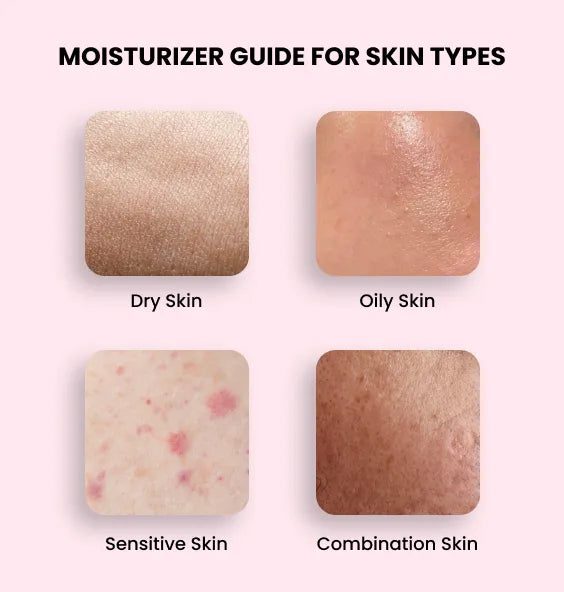
1 Dry Skin
Challenges of Dry Skin
- High TEWL (water loss)
- Flaking, rough patches
- Tendency toward sensitivity
- In cold or dry climates, exacerbated dryness
What to Look for in Moisturizers
- Rich creams, balms, or lotion-cream hybrids
- High concentration of humectants (e.g. hyaluronic acid, glycerin)
- Strong emollients (e.g. squalane, shea butter, ceramides, fatty acids)
- Protective occlusives (in small amount) to lock in hydration
- Barrier-repair ingredients (like ceramides, niacinamide, peptides)
- Avoid: alcohol, strong fragrances, harsh astringents, sulfates
Best Practices & Tricks
- Warm up the moisturizer in your hands before applying, so it spreads more easily.
- Use a “double layer” trick: apply a thin first layer, let it absorb partially, then apply a second layer for extra hydration. (Some skincare users report this helps build better moisture retention.)
- On very dry areas (like cheeks, lips, elbows), apply a richer cream or even a balm overnight as a treatment.
- Use a humidifier in your space to add ambient moisture (especially in dry climate or heated rooms).
- Limit hot water exposure (showers, washing), which further strips oils. Use lukewarm water.
- Gentle exfoliation (once or twice a week max) helps remove dead skin cells so moisturizers penetrate better—choose mild AHA (e.g. lactic acid) or enzyme exfoliants rather than scrubs.
- Seal in moisture with an occlusive at night if needed (e.g. small amount of petrolatum or dimethicone-based product).
- Don’t forget lip and eye area: use a richer eye cream or partnering balm if those areas feel dry.
Sample Routine (Dry Skin)
| Step | Type | Purpose |
| Cleanser | Creamy, non-stripping | Gentle cleansing without over-drying |
| Hydrating toner or essence | Humectant-rich | Supply initial hydration |
| Serum (optional) | Hyaluronic acid, ceramides, peptides | Deep hydration or barrier repair |
| Moisturizer (day) | Rich cream with humectants & emollients | Lock in moisture |
| Moisturizer (night) | Possibly cream + light occlusive | Seal hydration overnight |
| Spot treatment | Balm | On flaky patches or problem areas |
2 Oily Skin
Challenges of Oily Skin
- Excess sebum and shine
- Prone to clogged pores and breakouts
- Many avoid moisturizer, thinking they don’t need it (but skipping it can backfire)
Why Even Oily Skin Needs Moisturizer
Without proper hydration, your skin may compensate by producing more oil. Moisturizer helps balance and prevent overcompensation.
What to Look for in Moisturizers
- Lightweight gel, water-based, or fluid lotion textures
- Non-comedogenic, oil-free formulas
- Humectants like hyaluronic acid, glycerin, beta-glucan
- Soothing/anti-inflammatory additions like niacinamide, green tea, zinc
- Avoid heavy oils, thick occlusives, and products that leave greasy film
- Matte-finish or “mattifying” variants can help reduce visible shine
Tips & Tricks
- Use very lightweight formulas—less is often more.
- Apply only what your skin actually absorbs; pat excess off.
- Use mattifying primers or blotting powders during the day to manage shine.
- Use a gel moisturizer after cleansing, possibly with a “half layer” on oilier zones.
- In drier seasons, you may still need to add a slightly richer product selectively.
- Consider a split routine: lighter moisturizer on T-zone, richer on drier cheeks (if you also have combination concerns).
- Use non-abrasive exfoliants (like SALICYLIC acid, BHA) to clear clogged pores; but follow with a balanced moisturizer to reduce irritation.
- If using actives or treatments (retinoids, benzoyl peroxide), always follow with a gentle moisturizing layer to reduce peeling and irritation.
3 Combination Skin
Combination skin is often the trickiest because parts of your face have conflicting needs.
Strategy for Combination Skin
- Zone-specific application: Use a lighter moisturizer for your T-zone, and a richer one for drier zones.
- Or use a “balanced” formula: one that is hydrating but not too heavy, sometimes called “normal/combination” formulas.
- In extreme weather, adjust: heavier in winter, lighter in summer.
- Use targeted care: e.g. richer cream under eye or cheeks, lighter gel for nose and forehead.
Tips & Tricks
- Start with a lightweight base gel or lotion all over.
- Spot-treat with richer cream on drier patches.
- Avoid heavy creams across the oily zone—they may cause breakouts.
- When your combination skin skews more dry (winter, air-conditioned environments), you can switch temporarily to a more hydrating formula.
- Use mattifying powders or primers on oil-prone areas.
- Monitor changes over time (e.g. hormonal shifts, climate shifts) and adapt routine.
4 Sensitive Skin
Sensitive skin requires extra caution. Even “good” ingredients might provoke redness, tingling, or irritation.
What to Look for
- Fragrance-free, dye-free, alcohol-free formulations
- Minimalist or “clean” formulas with fewer actives
- Soothing ingredients: allantoin, panthenol (pro-vitamin B5), colloidal oatmeal, aloe vera, calendula
- Barrier-soothing and repair ingredients: ceramides, fatty acids, cholesterol, squalane
Tips & Tricks
- Always patch test a new product (behind ear or along jawline) for several days.
- Introduce one new product at a time.
- Avoid layering too many actives simultaneously.
- Use thicker, gentler formulations at night if tolerable.
- When irritated or inflamed, reduce your routine to the bare essentials (cleanser, moisturizer) until things calm.
- Use the mildest cleanser possible and avoid physical scrubs.
- Consider barrier-repair serums or creams with lipids and minimal actives.
- Monitor environmental triggers (sun, heat, wind) and protect accordingly.
5 Normal / Balanced Skin
If you have normal skin, you’re in the ideal starting point. Your goal is to maintain, not overcomplicate.
What to Look for
- Lightweight lotion or cream that hydrates without heaviness
- Humectants + mild emollients
- Occasional richer product if your skin leans dry during weather or travel
- Occasional gentle actives to maintain skin health
Tips & Tricks
- Don’t overdo it—simplicity often wins.
- Use a moisturizer morning and night.
- Incorporate antioxidant-rich ingredients (vitamin E, green tea) to prevent damage.
- Adjust seasonally (lighter in humid conditions, slightly richer in dry weather).
- Keep skin barrier strong with maintenance hydration.
Seasonal & Environmental Adjustments
Your skin doesn’t live in a vacuum—it responds to the climate, humidity, pollution, indoor heating, and more. To keep up:
- In humid or tropical weather: Use lighter lotions or gel formulas
- In dry, cold weather: Move to richer creams, balms, or add an occlusive layer
- In air-conditioned or heated indoor spaces: Use a humidifier, shield from wind or dry air
- When traveling (airplanes, high altitude): Pack travel-size rich cream or hydrating mask
- In high UV exposure: Use moisturizer + sunscreen combo or layer SPF
Common Mistakes & Pitfalls to Avoid
- Skipping moisturizer because your skin feels oily (leads to rebound oil)
- Using the wrong texture (e.g. heavy creams on oily skin)
- Waiting too long after washing to apply moisturizer (losing moisture)
- Using “one-size-fits-all” products that aren’t tailored to your type
- Applying too much (more doesn’t always mean better)
- Layering conflicting products (harsh actives + heavy moisturizer)
- Not adjusting for seasonal changes
- Ignoring patch testing on sensitive skin
Recommended Products
Below are some well-known, generally well-reviewed moisturizer options across types. Always :
CUTE & POSH FACE CREAM (SERUM)
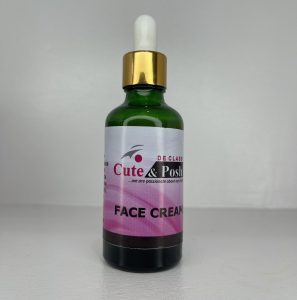
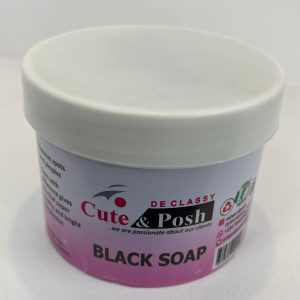
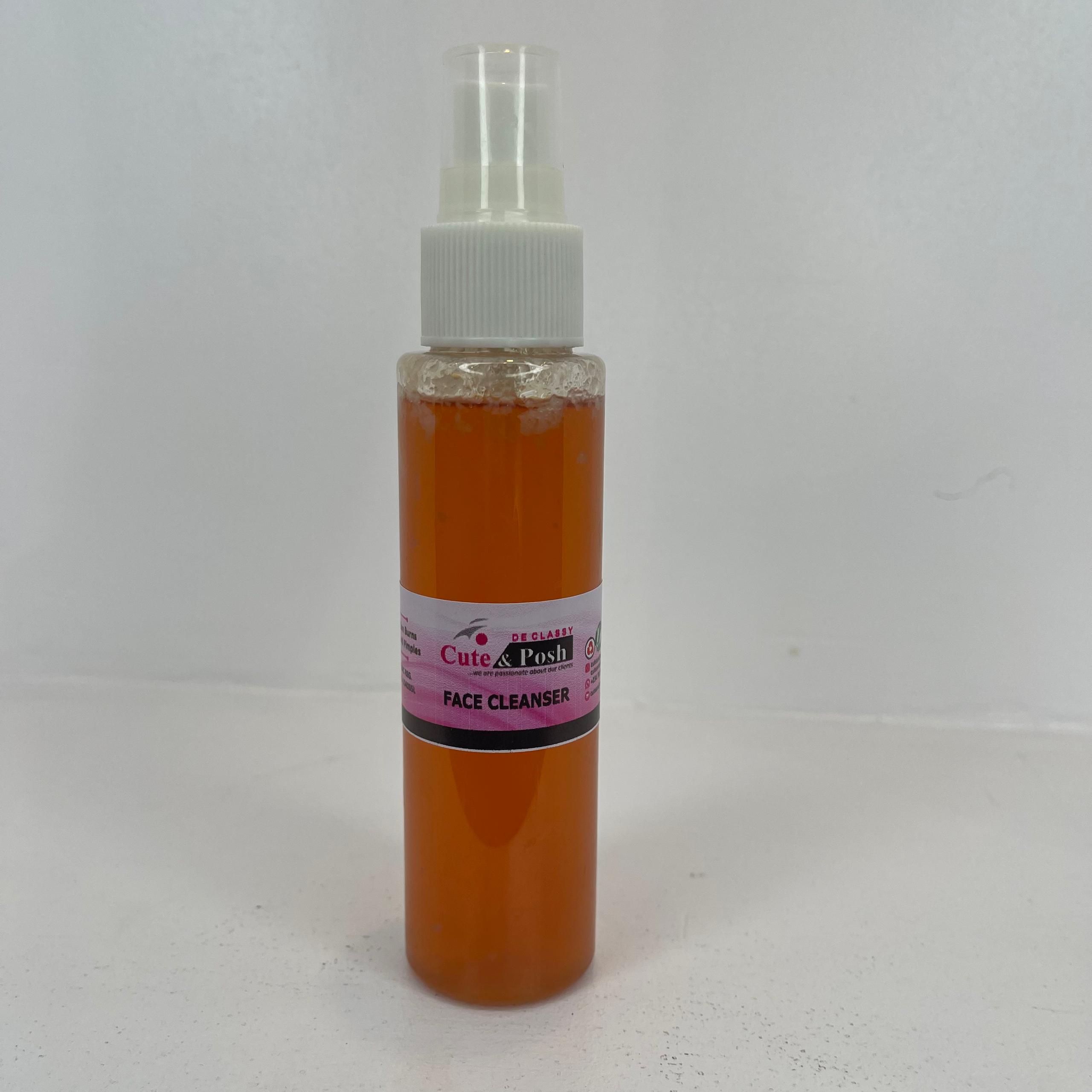
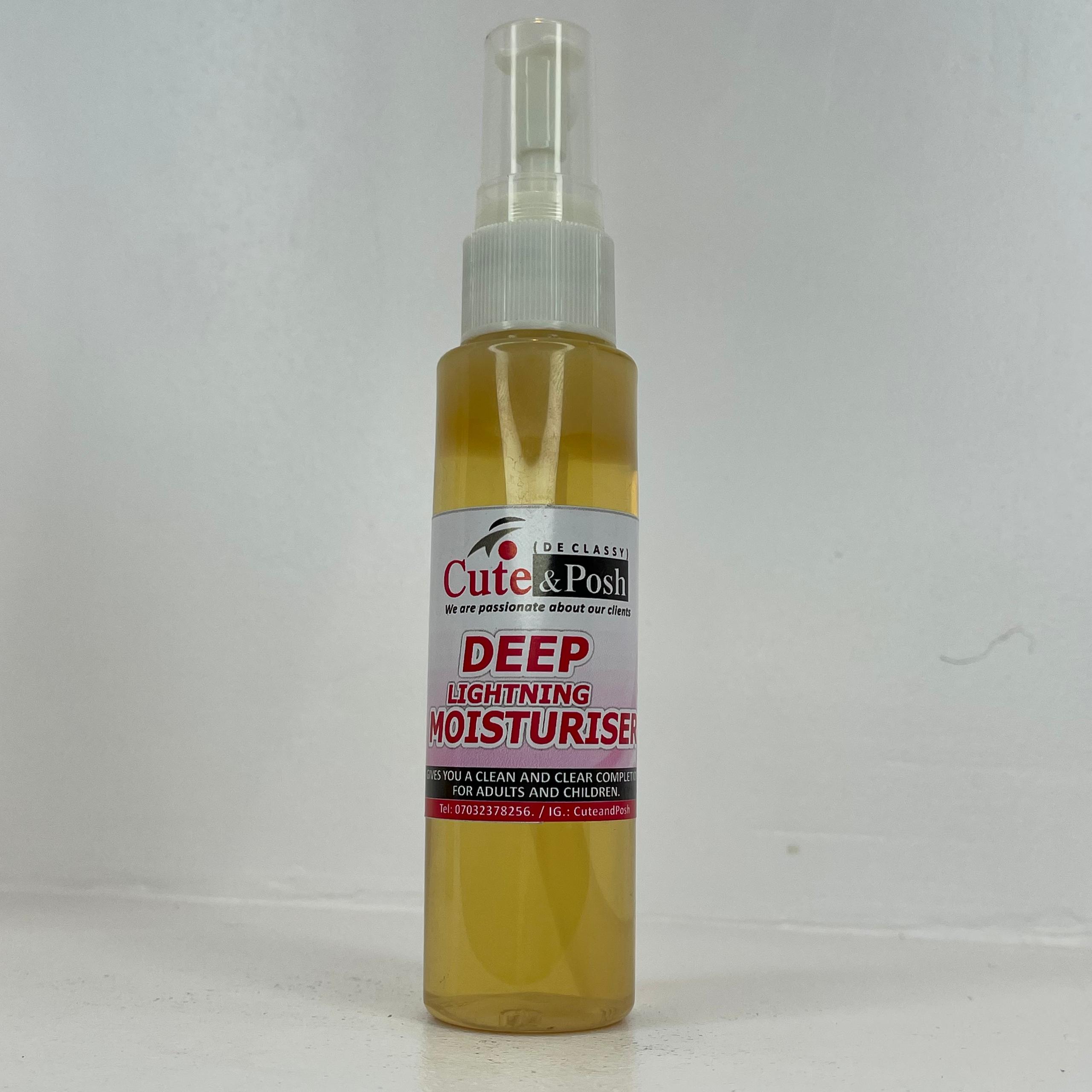
.
Sample Routines by Skin Type
Here are sample morning and evening routines to put all these tips into action.
Dry Skin Routine
Morning:
- Gentle creamy cleanser
- Hydrating toner
- Serum (e.g. hyaluronic acid or ceramide)
- Moisturizer (rich cream)
- SPF (or moisturizer + SPF)
Evening:
- Gentle cleanser
- Optional: gentle exfoliant (1–2× per week)
- Serum or treatment
- Moisturizer (rich)
- Optional: light occlusive on extra-dry zones
Oily Skin Routine
Morning:
- Mild foaming or gel cleanser
- Hydrating toner or essence
- Lightweight serum (niacinamide, BHA, etc.)
- Gel or fluid moisturizer
- SPF
Evening:
- Double cleanse (especially if makeup or sunscreen)
- Treatment (e.g. BHA, retinoid)
- Light moisturizer
Combination Skin Routine
Morning:
- Gentle cleanser
- Hydrating toner
- Serum (optional)
- Lightweight moisturizer overall + richer cream on drier patches
- SPF
Evening:
- Cleanser
- Treatment (optional)
- Light moisturizer all over
- Richer cream on dry zones (if needed)
Sensitive Skin Routine
Morning:
- Very gentle, fragrance-free cleanser
- Soothing hydrating base (e.g. aloe-based toner)
- Minimalist moisturizer
- SPF (fragrance-free)
Evening:
- Cleanser (same)
- Optional: barrier-repair serum
- Gentle moisturizer
Normal Skin Routine
Morning:
- Gentle cleanser
- Light hydrating toner or essence
- Moisturizer (light cream or lotion)
- SPF
Evening:
- Gentle cleanser
- Optional: treatment or serum
- Moisturizer
Final Thoughts & Summary
- Understanding your skin type is the first step to selecting the right moisturizer.
- All skin types need hydration, but what counts is how you moisturize (texture, ingredients, technique).
- Use humectants, emollients, and occlusives in the correct balance.
- Apply while skin is slightly damp, layer smartly, adjust for environment, and stay consistent.
- If you struggle with breakouts, dryness, or irritation, simplify your routine or seek professional guidance.
Moisturizing is not glamorous, but it’s essential. Get this step right, and many other skincare elements (serums, actives, treatments) will perform better, with fewer side effects. NIVEA
Frequently Asked Questions (FAQs)
Q1: How do I know my skin type?
- Wash your face with a gentle cleanser, pat dry, and wait 30–60 minutes without applying anything. Notice how your skin feels or looks.
- Feels tight, dry patches → likely dry
- Looks shiny in whole face, feels oily → oily
- T-zone is shiny, cheeks are more normal/dry → combination
- Mostly even, minimal issues → normal
- Red, stinging, reacts easily → sensitive
- Feels tight, dry patches → likely dry
- You can also consult a dermatologist or aesthetician for a skin analysis.
Q2: What’s the difference between “hydrating” and “moisturizing”?
- Hydrating refers to restoring water content (humectants help with this).
- Moisturizing is broader: it includes hydrating plus sealing (with emollients/occlusives) to prevent water loss.
- So, a hydrating serum isn’t enough—you typically need a moisturizer to “lock it in.”
Q3: Can I layer multiple moisturizers?
Yes—especially for dry or combination skin. Start with a thin, hydrating layer then follow with a richer cream or occlusive. But for oily skin, stick with light formulations and avoid over-layering.
Q4: Should I use moisturizer both morning and night?
Generally yes. In the morning, your moisturizer protects and primes skin for the day. At night, it supports repair, hydration, and retains barrier health.
Q5: Can I skip moisturizer if I have oily skin?
No. Skipping moisturizer can trigger rebound oil production and imbalance. Oily skin still needs hydration; just choose lightweight, non-comedogenic types.
Q6: When is the best time to apply moisturizer?
Right after cleansing (while skin is still slightly damp) is ideal. Delay too long, and you lose moisture to evaporation before locking it in.
Q7: Can I use natural oils (coconut oil, olive oil) instead?
You can, but cautiously:
- Many natural oils are comedogenic (i.e. may clog pores) or heavy for certain skin types.
- Use only non-comedogenic oils (like squalane, rosehip, jojoba) if your skin tolerates them.
- Use them as supplemental oils, not primary hydration sources.
- Always patch-test, especially if you have acne-prone or sensitive skin.
Q8: What if my skin flakes or peels after applying moisturizer?
This could be due to:
- Inadequate hydration (your skin needs humectants)
- Incompatibility or irritation from ingredients
- Overuse of harsh actives (retinoids, acids)
- Wrong texture (too light or too heavy)
You may need to simplify your regimen, reduce actives, use barrier-repair products, or consult a dermatologist.
Q9: How do I adjust moisturizer seasonally?
- In humid or tropical weather: switch to lighter gels or lotions
- In dry, cold weather: use creams, balms, or occlusives on top
- Use a humidifier indoors during dry seasons
- Monitor skin’s feel and adjust accordingly
- Q10: How long until I see results?
You may feel better immediately (less tightness). But significant improvements—smoother texture, fewer flakes, better barrier resilience—may take 2–4 weeks of consistent use. https://www.nivea.com.ng/