

Introduction
Diet for clear skin blemishes If you’ve ever struggled with skin blemishes—acne, blackheads, pimples, or redness—you’re not alone. Millions of people worldwide battle breakouts, often resorting to topical creams, harsh cleansers, or prescription medications. But there’s one powerful tool that’s often overlooked in the skincare arsenal: your diet. A growing body of research and countless real-life testimonials point to a strong link between what we eat and the condition of our skin. The concept of a diet for clear skin blemishes is more than a wellness buzzword—it’s a science-backed approach to nourishing your skin from the inside out.
Whether you’re battling chronic acne, hormonal breakouts, or occasional flare-ups, understanding how diet influences your skin could be the key to achieving lasting clarity and confidence. Clear, glowing skin is a universal goal, but blemishes often stand in the way. While many turn to topical treatments, makeup, or dermatological procedures, the secret to clear skin often lies on our plates. A thoughtful diet for clear skin blemishes isn’t just a trend—it’s backed by science and can make a real difference in how your skin looks and feels.
This comprehensive guide explores how your food choices impact skin health, the best nutrients for fighting blemishes, foods to avoid, and practical tips for a skin-friendly diet. We’ll also recommend some trusted products to support your skin journey.
Table of Contents
Understanding the Connection Between Diet and Skin Blemishes
Skin blemishes, including acne, blackheads, whiteheads, and inflammation, are influenced by many factors. Hormonal fluctuations, genetics, stress, and skincare habits all contribute, but diet plays a vital role in controlling underlying processes like inflammation, oil production, and hormonal balance.
Research has increasingly shown that certain foods can exacerbate or reduce skin blemishes by affecting:
- Insulin and blood sugar levels
- Inflammatory responses
- Hormone production
- Gut health and microbiome
Adopting a diet for clear skin blemishes means choosing foods that minimize inflammation, regulate hormones, and support the skin’s natural barrier.
The Science: How Diet Impacts Skin Health and Blemishes
To understand how a diet for clear skin blemishes works, it’s important to grasp what causes breakouts in the first place.
What Causes Skin Blemishes?
Blemishes occur when your pores become clogged with excess oil (sebum), dead skin cells, and sometimes bacteria. This process leads to:
- Whiteheads and blackheads
- Pimples and papules
- Cystic acne
- Inflammation and redness
Multiple factors contribute to this cycle:
- Hormonal fluctuations (especially during puberty, menstruation, or stress)
- Excessive sebum production
- Bacterial growth (Cutibacterium acnes)
- Poor skin barrier function
- Inflammation in the body
Diet can influence all of these elements—either positively or negatively.
1. Diet, Insulin, and Sebum Production
High-glycemic foods (those that rapidly raise blood sugar) can spike your insulin levels. When insulin increases, it triggers the production of insulin-like growth factor 1 (IGF-1). This hormone stimulates:
- Increased sebum production (oiliness)
- Accelerated skin cell growth (leading to clogged pores)
- Inflammation in the skin
According to a 2007 study published in the American Journal of Clinical Nutrition, participants who followed a low-glycemic load diet for 12 weeks saw significant improvements in acne severity compared to those on a high-glycemic diet.
2. Inflammation: The Silent Skin Saboteur
Chronic, low-grade inflammation is a major contributor to breakouts. Processed foods, trans fats, refined sugars, and certain dairy products can fuel this inflammation. On the flip side, anti-inflammatory foods—like leafy greens, omega-3-rich fish, and colorful vegetables—can calm the skin from within.
3. Hormonal Balance Through Nutrition
Hormones like androgens (testosterone and DHT) influence the activity of your sebaceous glands. Certain foods, especially dairy and sugar, have been shown to impact hormonal balance and may worsen acne in susceptible individuals.
For example, a 2012 review published in Dermato-Endocrinology suggested that milk contains natural hormones and bioactive molecules that could aggravate acne by increasing IGF-1 levels.
4. Gut Health and the Skin Connection
The gut-skin axis is a two-way communication system between your digestive tract and skin. Poor gut health, food intolerances, or imbalances in gut bacteria (dysbiosis) can show up as inflammation, breakouts, or skin dullness.
Consuming probiotics, fiber-rich foods, and fermented products helps maintain a healthy gut, which in turn can improve skin clarity.
5. Antioxidant Defense and Skin Protection
Nutrients like vitamin C, E, zinc, and selenium help the skin fight off free radicals—unstable molecules that damage cells and contribute to aging and inflammation. Antioxidant-rich foods strengthen your skin’s defense system, support healing, and reduce post-acne scarring.
How Diet Affects Skin: The Science Behind the Glow
The skin relies on nutrients absorbed from the bloodstream to maintain its structure, regenerate cells, and fight oxidative damage. Several mechanisms explain why diet impacts blemishes:
- Glycemic Load and Insulin Spikes: High-glycemic foods cause blood sugar spikes, triggering insulin release, which can increase sebum (oil) production and promote clogged pores.
- Inflammation: Processed foods rich in unhealthy fats and sugars promote systemic inflammation, aggravating skin conditions like acne.
- Hormonal Balance: Dairy and other foods can influence hormones like androgens, which regulate oil gland activity.
- Antioxidants: Vitamins and minerals with antioxidant properties protect skin cells from free radical damage and promote healing.
- Gut-Skin Axis: A healthy gut microbiome supports immune regulation and inflammation control, indirectly benefiting skin.
Key Foods to Include in a Diet for Clear Skin Blemishes

Low-Glycemic Index Foods
Foods that release sugar slowly reduce insulin spikes and oil overproduction.
- Whole grains (brown rice, quinoa, oats)
- Legumes (lentils, chickpeas, beans)
- Non-starchy vegetables (spinach, broccoli, kale)
Rich Sources of Omega-3 Fatty Acids
Omega-3s reduce inflammation and support skin barrier function.
- Fatty fish (salmon, mackerel, sardines)
- Chia seeds, flaxseeds, walnuts
Antioxidant-Rich Fruits and Vegetables
These help neutralize free radicals that damage skin cells.
- Berries (blueberries, strawberries)
- Carrots, sweet potatoes (high in beta-carotene)
- Leafy greens (kale, spinach)
Zinc-Rich Foods
Zinc plays a role in skin repair and immune function.
- Pumpkin seeds
- Nuts and legumes
- Whole grains
Probiotic and Fermented Foods
Gut health is crucial for controlling inflammation and skin clarity.
- Yogurt with live cultures
- Kefir
- Kimchi, sauerkraut
Hydrating Foods and Plenty of Water
Water keeps skin hydrated and helps flush toxins.
- Cucumbers, watermelon
- Celery, oranges
Foods to Limit or Avoid for Clear Skin
- High-Glycemic Foods: White bread, sugary cereals, pastries, candy, soda
- Dairy Products: Particularly skim milk and some cheeses (individual sensitivity varies)
- Processed and Fast Foods: High in unhealthy fats, salt, and preservatives
- Excessive Salt: Can cause water retention and puffiness
- Excessive Alcohol: Dehydrates skin and may cause inflammation
Lifestyle Tips to Complement Your Diet for Clear Skin Blemishes
- Maintain consistent meal times to regulate insulin
- Avoid crash diets or excessive fasting that stress the body
- Manage stress through mindfulness or exercise
- Get sufficient sleep to support skin repair
Sample Meal Plan for a Diet for Clear Skin Blemishes
Breakfast: Oatmeal topped with chia seeds, blueberries, and a drizzle of honey
Snack: Greek yogurt with pumpkin seeds
Lunch: Grilled salmon with quinoa and steamed broccoli
Snack: Carrot sticks with hummus
Dinner: Lentil stew with kale and sweet potato
Conclusion
Adopting a diet for clear skin blemishes involves more than just avoiding certain foods—it’s about nourishing your body with balanced, anti-inflammatory nutrients that promote skin repair and reduce breakouts. By choosing whole, nutrient-dense foods, staying hydrated, and supporting your gut health, you can enhance your skin’s natural beauty from the inside out. Pairing dietary changes with a consistent skincare routine and professional advice can lead to lasting results, giving you the confidence of clear, radiant skin.CIVEA
Recommended Products to Support Clear Skin
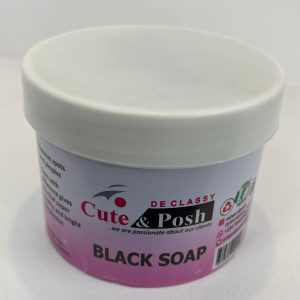
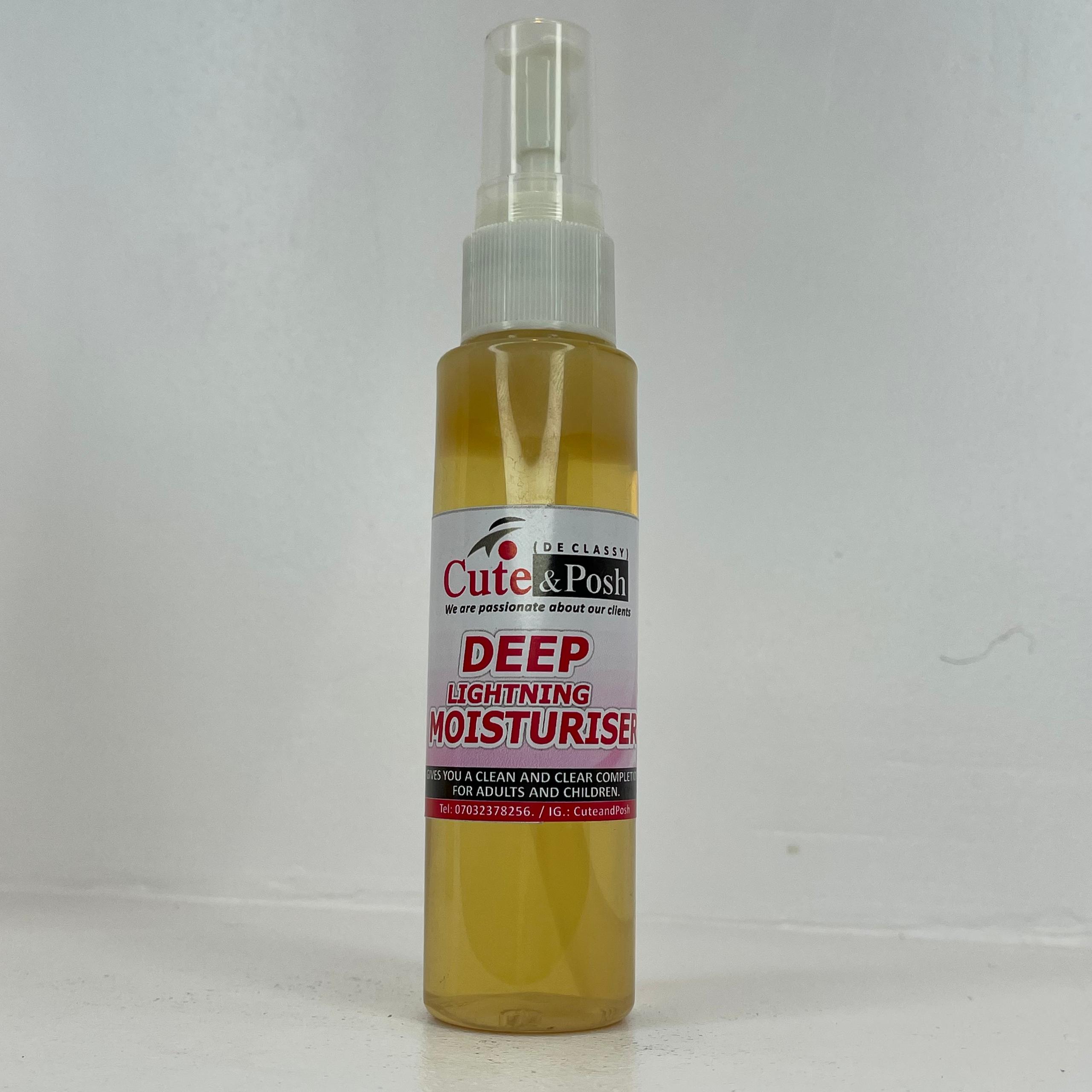
Here are some dermatologist-recommended supplements and skincare aids that complement your diet for clear skin blemishes:

Frequently Asked Questions (FAQs)
Q1: Can diet alone clear skin blemishes?
Diet plays a significant role but usually works best alongside good skincare habits and medical treatments when needed.
Q2: How soon can I see results from changing my diet?
Skin turnover is about 28 days, but many notice improvements in 4-8 weeks.
Q3: Are there any foods that definitely cause acne?
High-glycemic foods and dairy have been linked to acne, but effects vary by individual.
Q4: Is water intake really important for skin clarity?
Yes, hydration helps maintain skin elasticity and flush toxins.
Q5: Should I avoid dairy entirely for clear skin?
Not necessarily. Some people find reducing dairy helps, but others do not see a difference.